메트로人 머니 산업 IT·과학 정치&정책 생활경제 사회 에듀&JOB 기획연재 오피니언 라이프 CEO와칭 플러스
글로벌 메트로신문
로그인
회원가입

    머니

  • 증권
  • 은행
  • 보험
  • 카드
  • 부동산
  • 경제일반

    산업

  • 재계
  • 자동차
  • 전기전자
  • 물류항공
  • 산업일반

    IT·과학

  • 인터넷
  • 게임
  • 방송통신
  • IT·과학일반

    사회

  • 지방행정
  • 국제
  • 사회일반

    플러스

  • 한줄뉴스
  • 포토
  • 영상
  • 운세/사주
국제
기사사진
트럼프, 비트코인 전략비축 행정명령에 서명…비트코인 1.3억대로

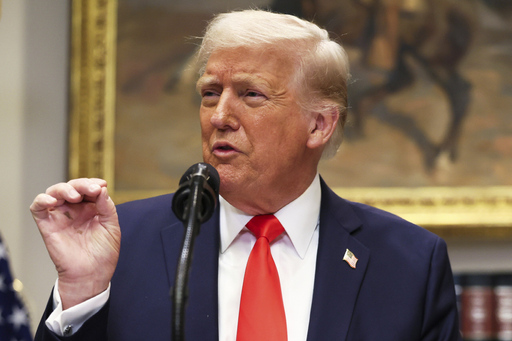
도널드 트럼프 미국 대통령이 비트코인 전략비축 행정명령에 서명했다. 7일 오전 9시께(국내시간) '크립토 차르'로 불리는 데이비드 삭스(David Sacks) 백악관 가상자산·AI 정책 책임자는 자신의 SNS(사회관계망) X(옛 트위터)에 "몇 분 전, 트럼프 대통령은 전략적 비트코인 준비금을 설립하는 행정명령에 서명했다"고 밝혔다. 데이비드 삭스의 발표와 함께 국내 가상자산 거래소 빗썸과 업비트에서 1억2800만원대에 거래되던 비트코인 가격은 1억3000만원대로 올라섰다. 310만원대에 거래되던 시가총액 2위 가상자산인 이더리움은 320만원대를 웃돌고 있다. 삭슨는 "준비금은 민·형사상 자산 몰수 절차의 일환으로 압수한 비트코인을 자본으로 활용할 것"이라며 "납세자들에겐 비용이 한 푼도 들지 않을 것"이라고 설명했다. 그에 따르면 미국 정부가 약 20만개에 달하는 비트코인을 보유한 것으로 추정하고 있지만, 구체적으로 감사가 이뤄진 적은 없다. 연방정부의 디지털 자산 보유와 관련한 회계 전반은 재무장관이 지시한다. 삭스는 "미국은 준비금에 예치된 비트코인을 판매하지 않을 것"이라며 "비트코인은 가치 저장고로 보관될 것"이라고 강조했다. 그는 "비트코인 조기 판매로 미국 납세자들은 이미 170억달러 이상의 손실을 입었다"며 "이제 연방 정부는 보유 자산의 가치를 극대화하기 위한 전략을 가질 것"이라고 덧붙였다. 비트코인 추가 취득에 대해서는 "재무부 장관과 상무부 장관은 미국 납세자에게 추가 비용이 발생하지 않는 선에서 비트코인 추가 매입을 위한 전략을 개발할 권한이 있다"면서도 "몰수 절차를 통해 얻은 자산을 초과해 비축 자산을 추가 취득하지 않을 것"이라고 말했다.

2025-03-07 11:01:01 최규춘 기자
기사사진
[Interbattery 2025] "BYD and EVE make their debut" … Interbattery becomes a battleground between South Korea and China.

At 'Interbattery 2025,' the three major domestic battery companies (LG Energy Solution, Samsung SDI, and SK On) showcased their next-generation technologies, while this year, major Chinese companies also participated, intensifying the competition. With Chinese battery manufacturers aggressively targeting the market, domestic companies are emphasizing differentiation strategies, creating a tense atmosphere. The event, held on the 6th at COEX in Gangnam, Seoul, saw the participation of powerful Chinese battery companies BYD and EVE Energy for the first time, drawing the attention of attendees. While their booths were relatively less crowded compared to those of major domestic companies, it was observed that Chinese tourists and other visitors were consistently visiting in small groups of two or three. Although the booths of both companies were small in scale, they prominently showcased their flagship product, LFP (Lithium Iron Phosphate) batteries, and introduced their technological capabilities. BYD displayed batteries for electric bicycles and electric motorcycles as its main exhibition items, but did not showcase batteries for electric vehicles separately. BYD explained that its LFP batteries are known for their high stability, long lifespan, and high output. Additionally, the company highlighted its capabilities in battery cell production, BMS (Battery Management System), and pack design, stating that it provides an end-to-end solution based on a vertical integration strategy. EVE also set up its booth near BYD's to showcase its LFP battery technology. In addition, the company displayed LMFP (Lithium Manganese Iron Phosphate) and solid-state batteries, introducing a diverse range of products. Notably, EVE's booth was located right next to LG Chem's, creating a natural atmosphere of comparison. While the number of visitors was lower than at LG Chem's booth, EVE demonstrated its determination to accelerate its efforts in targeting the global market. In response, domestic battery companies emphasized battery safety and technological capabilities to highlight their differentiation from Chinese competitors. LG Energy Solution presented its cylindrical 46-series batteries along with BMTS (Battery Management Total Solution). Samsung SDI showcased ultra-high output 50A cylindrical batteries and solid-state batteries to emphasize the strengths of next-generation technologies. SK On also garnered attention with its high-voltage, mid-nickel batteries, which enhanced stability and reduced costs to align with changing market trends. On the 5th, the opening day of the exhibition, the leaders of each company gathered to express their confidence in competing with China despite the challenging industry conditions. Kim Dong-myung, CEO of LG Energy Solution, highlighted intellectual property (IP) as a key competitive advantage in the race against Chinese competitors. He stated, "LG Energy Solution will secure a competitive edge over Chinese companies by leveraging technologies such as the 46-series battery, lithium iron phosphate (LFP) battery, and Cell-to-Pack (CTP) technology." Meanwhile, 79 Chinese companies participated in 'Interbattery 2025.' This is a significant increase from 24 companies in 2023 and 62 companies in 2024, showing a steady upward trend in participation. ChatGPT를 사용하여 번역한 기사입니다.

2025-03-06 15:53:28 메트로신문 기자
기사사진
The legendary SUV Musso returns as an electric vehicle... KGM launches its first electric pickup, the Musso EV.

"I am the first to approve the business investment plan as chairman, and I also resurrected the name 'Musso'." (Kwok Jae-sun, Chairman) Kwok Jae-sun, Chairman of KG Mobility, expressed his excitement on the 5th during the 'Musso EV' new car launch event held at the company's headquarters in Pyeongtaek, Gyeonggi Province. On this day, KG Mobility (KGM) shared Its strategy for the unified pickup brand 'Musso' along with the new car launch. Chairman Kwok emphasized, "Not only did I invest in the development of Musso, but I also revived the name. I made sure to perfect the design, which had been a bit disappointing in the past." He added, "Although we faced some difficulties in the past, I believe that it should not taint our products. I will make this name something we can be increasingly proud of." Given Chairman Kwok's deep affection for the vehicle, it is evident that the Musso EV, launched by KG Mobility (KGM), is a carefully crafted product in terms of both design and performance. The Musso EV features a robust silhouette with a deck and body seamlessly connected, incorporating simple and clean design elements typical of electric vehicles, all while maintaining the distinctive design of the existing Torres model. The Musso EV ensures both safety and impressive driving range for an electric vehicle. It is equipped with an 80.6kWh lithium iron phosphate (LFP) blade battery from China's BYD, which boasts excellent durability and a low fire risk. The vehicle achieves a sufficient 400 km of driving range on a single charge and a combined energy consumption of 4.2 km/kWh. The use of the Cell-to-Pack method maximizes energy density per unit area, while the battery pack is designed to be resistant to external impacts, enhancing durability and efficiency. Additionally, the next-generation multi-battery safety management system (BMS) continuously monitors the battery status in 10-minute intervals, even while parked, and automatically connects to the nearest fire station in the event of an emergency. The Musso EV delivers powerful performance with a 152.2 kW front-wheel-drive motor and an optimally tuned reduction gear, achieving a maximum output of 207 horsepower (ps) and a maximum torque of 34.6 kgf·m. The AWD model provides dynamic driving performance with a maximum output of 413 horsepower (ps) and a maximum torque of 64.9 kgf·m. Park Kyung-jun, Head of Domestic Operations at KGM, stated, "I believe the main concern customers have when choosing an electric vehicle is safety." He added, "Based on our experience of operating LFP batteries domestically for the longest time, KGM has strengthened the safety measures further." He also mentioned, "KGM offers a 10-year, 1 million km warranty for high-voltage batteries in accordance with domestic standards, and we will continue to operate a program that guarantees up to 500 million won in the event of an electric vehicle fire." Additionally, KGM announced that with the launch of the Musso EV, it will continue the heritage of the 1993 Musso model. As part of this, all pickup models will be rebranded under the "Musso" name, with the Rexton Sports and Rexton Sports Khan models being renamed Musso Sports and Musso Khan, respectively. The pre-order for the Musso EV gathered 2,000 participants. KGM has set a target sales volume of around 3,000 units for this year, with a monthly target of 500 units. Meanwhile, the Musso EV's price for the base trim MX is set at 48 million KRW, while the Black Edge trim is priced at 50.5 million KRW. With a government subsidy of 6.52 million KRW and a local government subsidy of 1.86 million KRW for Seoul residents, the actual purchase price can be reduced to the high 30 million KRW range. Small businesses can benefit from additional support and VAT refunds, bringing the final purchase price down to the low 33 million KRW range. The event was attended by around 200 people, including Chairman Kwok Jae-sun, CEO Hwang Ki-young, CEO Park Jang-ho, Labor Union Chairman Noh Cheol, and key executives, as well as domestic and international reporters. ChatGPT를 사용하여 번역한 기사입니다.

2025-03-05 15:54:00 메트로신문 기자
기사사진
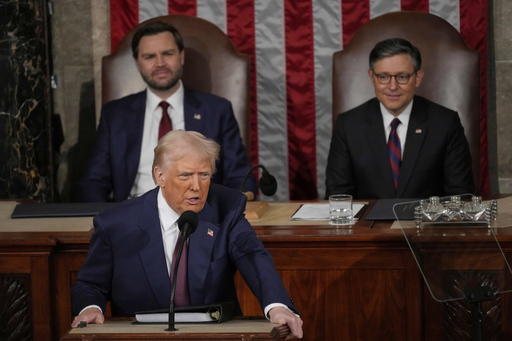
트럼프 "韓 가스관 참여 희망"…"관세 4배" "수천조 투자계획"

도널드 트럼프 미국 대통령이 4일(현지 시간) 미 의회 합동 연설에서 한국과 관련된 주제 연설에서 강도 높은 발언을 쏟아냈다. 트럼프 대통령은 알래스카 가스관 사업에 한국이 수천조원을 투자할 것이라고 환영의 뜻을 밝히면서 이 사업이 미국의 에너지 독립과 경제 성장에 기여할 것이라고 밝혔다. 이를 통해 한국과의 협력을 통해 경제적 성과를 기대하고 있으며, 특히 알래스카 가스관 사업과 조선업 분야에서의 협력을 긍정적으로 평가하고 있다고 밝히면서도 상호관세를 언급하며 한국이 미국보다 4배 높은 관세를 부과하고 있다고 주장했다. 트럼프는 "수많은 다른 나라들이 우리가 그들에게 부과하는 것보다 더 높은 엄청난 관세를 부과하고 있다. 이것은 매우 불공평하다"면서 한국을 예시 중 하나로 언급했다. 트럼프 대통령은 "인도는 우리 자동차 제품에 100%가 넘는 관세를 부과하고, 우리 제품에 대한 중국의 평균 관세는 우리가 그들에 부과하는 것의 두 배다"며 "그리고 한국의 평균관세는 네 배 더 높다"라고 주장했다. 이어 "네 배라는 것을 생각해 보라"며 "우리는 한국에 아주 많은 군사적 도움을 주지만, 이런 일이 벌어지고 있다. 이것이 우리 우방과 적들에 의해 벌어지는 일이다"라고 말했다. 그러면서 "이 시스템은 미국에 불공평하며, 언제나 그랬다"면서 "4월 2일부터 상호관세가 발효되고, 다른 나라에 부과하는 관세와 동일한 관세를 부과할 것이다"라고 말했다. 트럼프가 한국과 미국 간의 관세 차별이 있다고 주장하는 이유는 여러 가지 경제적 및 정치적 요소에 기인할 수 있다. 트럼프는 종종 미국 무역 정책에서 미국이 손해를 보고 있으며, 이를 바로잡기 위해 더 공정한 무역 조건을 요구하는 것으로 알려졌다. 특히 자동차 산업에서 트럼프는 한국이 미국 차에 비해 현저히 높은 관세를 부과한다고 비판해 왔었다. 전문가들은 그의 정치적 입지를 강화하고 지지기반을 다지기 위한 주장과 전략적 발언일 수 있다고 보고 있다. 한국이 미국산 제품에 네 배 높은 관세를 부과하고 있다는 주장은 사실과 다를 가능성이 크다. 한국은 미국과 자유무역협정(FTA)을 체결을 통해 대부분의 품목에 대해 관세가 부과되지 않으며, 관세구조는 공정하고 상호 이익을 주는 방식으로 설정되어 있다. 한국정부는 트럼프 대통령의 관세 차별 주장은 실질적 근거가 부족하며, 양국 간의 무역 관계는 FTA를 통해 더욱 공정하고 포괄적으로 발전하고 있다고 보고 있고 미국과의 협력을 강화하며, 무역 불균형 문제를 지속적으로 해결하기 위해 협력할 의지를 표명하고 있다.

2025-03-05 15:05:23 최규춘 기자
기사사진
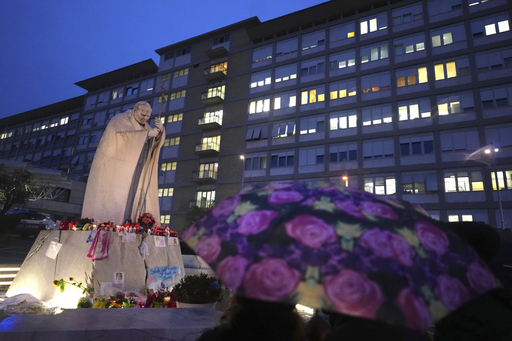
교황, 추가 고비 없었지만 예후 신중

프란치스코 교황이 입원 19일째다. 호흡곤란 후 현재 안정을 되찾았지만 여전히 예후를 지켜보고 있다고 교황청이 4일(현지 시간) 밝혔다. 교황청은 성명에서 "교황의 임상 상태는 오늘도 안정적으로 유지됐다"며 "호흡 부전이나 기관지 경련은 없었다"고 말했다. 또 "열이 오르지도 않았다"며 "정신을 잃지 않고 치료에 협조했으며 온전했다"고 덧붙였다.교황은 전날 '기관지 점액의 상당한 축적과 그에 따른 기관지 경련'으로 두 차례 급성 호흡 부전증을 겪었다. 이후 점액 제거와 비침습 인공호흡 후 상태가 호전됐다. 교황청은 "오늘 아침 교황은 고유량 산소 치료로 전환하고 호흡 물리 치료를 받았고 성찬도 받았다"며 "낮 동안엔 기도와 휴식을 번갈아 했다"고 밝혔다.이어 "밤부터 내일 아침까진 예정대로 비침습적 기계 호흡을 재개할 예정"이라며 "예후는 아직 지켜봐야 한다"고 부연했다. 프란치스코 교황은 지난달 14일 호흡 곤란으로 로마 제멜리 병원에 입원했다. 즉위 후 최장 기간인 19일째 입원 중이다. 입원 후 양쪽 폐 폐렴과 신부전증, 기관지 경련과 호흡 곤란을 겪다 호전되기를 반복하고 있다. 바티칸 뉴스는 "교황의 심장과 신장, 혈액 수치를 포함해 전반적인 임상 상태는 안정적으로 유지되고 있다. 기관지 경련 빈도는 폐렴과 같은 맥락에서 예상치 못한 것이 아니다"라면서도 "그러나 교황의 건강 상태는 여전히 복잡하다"고 덧붙였다.

2025-03-05 11:43:16 최규춘 기자
기사사진
中 양회, 147조원 인프라 투자·260조원 장기 국채 발행

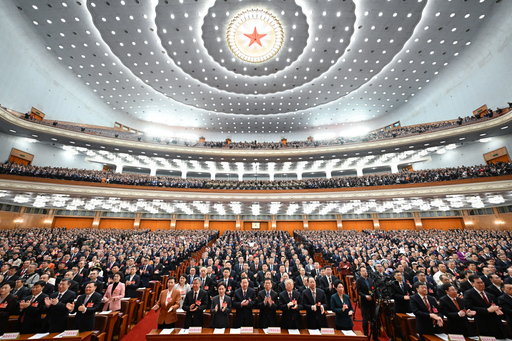
리창 중국 국무원 총리는 5일 전국인민대표대회 연례 업무보고에서 올해 경제성장률 목표치를 3년 연속 '5% 안팎'으로 제시한 가운데 경제 활성화를 위한 방안들을 발표했다고 뉴시스가 전했다. 리 총리는 5% 안팎의 GDP 성장 목표는 고용을 안정시키고, 위험을 예방하며, 국민의 생계에 혜택을 주기 위한 것이라고 설명했다.리 총리는 올해 중앙정부 예산에서 7350억 위안(약 147조원)을 핵심 인프라 프로젝트에 투자할 예정이라고 밝혔다.지방정부 채권 관리를 최적화하고 민간투자의 기회도 확대할 계획을 밝혔다.올해 재정적자 4%, 총 적자는 5조 6600억 위안으로 잡았다. 이를 위해 올해 1조 3000억 위안의 초장기 특별 국채를 발행한다. 국유 상업은행을 지원하기 위해서는 5000억 위안의 특별 국채를 발행할 예정이며 지방정부 특별채권 발행 규모는 4조 4000억 위안으로 책정됐다.올해 전체 정부 신규부채는 11조 8600억 위안으로 작년보다 2조 9000억 위안 늘어날 전망이다.통화 정책도 중국은 적당히 느슨한 통화 정책을 시행하고 구조적 통화 정책 도구를 최적화하고 혁신해 주택 및 주식시장의 건전한 발전을 보다 효과적으로 지원할 계획이다.리 총리는 기술 혁신, 녹색 개발, 소비자 지출, 민간 및 중소기업의 성장을 뒷받침하기 위한 노력을 강화할 것이라고 말했다. 그는 국내적으로 불안정한 경기 회복, 수요 감소 , 일자리 압박, 비효율적인 거버넌스를 리스크로 꼽았다.그는 관료주의의 비효율성과 부패를 경고하면서도 중국의 장기적 성장에 대한 자신감을 강조했다.특히 지난해 기술 혁신과 제조업 업그레이드를 통해 신흥 산업과 핵심 디지털 산업이 국내총생산(GDP)의 10%를 차지했다고 밝혔다.리 총리는 중국 경제가 외부 충격을 처리하기 위한 비상 계획도 마련해 금융 안보와 안정성을 효과적으로 보호할 것이라고 말했다.국내적으로 예금 보험 기금, 금융 안정 기금 및 기타 자원을 보충하여 금융 위험을 완화한다. 리 총리는 국내 경기 회복을 위해 두 차례의 준비금 요건 인하와 정책 금리 인하를 포함한 재정 및 통화조치를 취했음을 강조했다.특히 부동산 부문을 안정시키기 위해 주택담보대출 금리 인하 조치도 취했다.리 총리는 도널드 트럼프 행정부를 지칭하지는 않았지만 보호무역주의와 일방주의 등으로 무역과 기술에서 압박이 커지고 있다고 인정했다. 리 총리는 개혁을 심화하고, 시장 장벽을 제거하고, 민간 부문 성장을 촉진할 것도 약속했다. 그는 중국이 최빈국에 대한 관세 면제를 확대하고 더 많은 국가에 대한 비자 면제 입국을 확대할 것이라고 말했다.

2025-03-05 11:37:14 최규춘 기자
기사사진
Korean Air Announces Integrated Airline's Value System 'KE Way'... "Connecting for a Better World"

"Before officially preparing for the launch of the integrated airline this year, we aim to present a new corporate value system. 'KE Way' will be the focal point of our journey towards a shared goal and will define Korean Air's identity at its core." Cho Won-tae, Chairman of Hanjin Group, said this on the 4th at the 'Boarding Day' event held at Korean Air's headquarters in Gangseo-gu, Seoul, to mark the airline's 56th anniversary. He pledged to take a leap forward as a global network carrier based on the new corporate value system, 'KE Way.' On this day, Korean Air officially announced 'KE Way,' which encompasses the company's purpose of existence, its new vision, mission, and other key elements. The airline presented its direction for building a sustainable management system and its growth as a global airline. Chairman Cho also held a town hall meeting to communicate with employees. During the meeting, he reflected on the company's achievements over the past 56 years, shared the vision for the future, and engaged in a Q&A session with employees. Korean Air named its core concept of existence as "Connecting for a better world." This reflects the company's commitment to connecting customers, society, and the world, advancing toward a better world, based on Hanjin Group’s founding philosophy of 'Transportation for the Nation.' The vision and mission reflect the ambition to take a leap as a global network carrier. The new vision is "To be the world's most loved airline," which reflects the commitment to earning global recognition as a company trusted and loved by all through the practice of social responsibility and the achievement of customer satisfaction. The strategy to achieve this new vision is composed of three key aspects: ▲ the highest level of safety management, service, and operations, ▲ a corporate culture that prioritizes customers and colleagues, and ▲ active global exchanges and contributions to sustainable development through social responsibility. Chairman Cho emphasized the importance of a gradual integration centered around communication and employee involvement for the launch of the integrated Korean Air. He stated, "Cultural integration within the organization cannot be achieved in a short period; it is a long-term task that requires continuous effort," adding, "We are aware of the potential challenges that may arise during the integration process with Asiana Airlines, and we plan to proceed gradually while fully considering the emotions and values of both companies' employees." He also mentioned the new corporate identity (CI) to be unveiled on the 11th. Chairman Cho said, "As Korean Air stands at the starting point of its leap to becoming a global network carrier, it is essential to re-establish the values and identity that Korean Air pursues, strengthening the trust and confidence of our customers and employees." He further explained, "We will first unveil the new CI reflecting the brand's values and identity, and at the time of the integrated Korean Air's launch, we will also reveal new uniforms that will enhance operational efficiency." ChatGPT를 사용하여 번역한 기사입니다.

2025-03-04 16:00:37 메트로신문 기자
기사사진
트럼프 25% 관세에 캐나다 멕시코 대응책 마련 무엇?

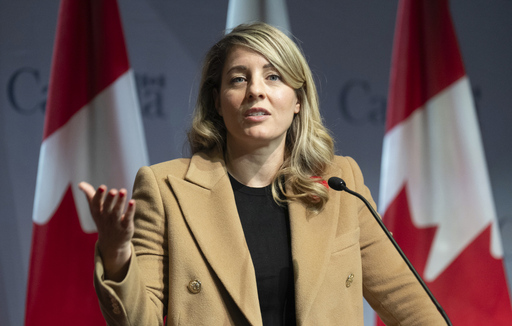
도널드 트럼프 미국 대통령이 4일(현지 시간) 멕시코와 캐나다에 대해 25%의 관세를 예정대로 부과하겠다고 발표한 가운데 캐나다와 멕시코가 대응책 마련에 총력을 기울이고 있다. 3일(현지 시간) AFP 통신 등에 따르면 멜라니 졸리 캐나다 외무장관은 이날 기자들에게 트럼프 대통령의 조처에 즉각 반격할 수 있는 보복 패키지를 준비하고 있다고 말했다.졸리 외무장관은 "우리는 1550억 달러 상당의 관세를 부과할 준비가 돼 있다"며 "1단계로 300억 달러 규모 상품에 관세를 부과하겠다"고 전했다.멕시코와 캐나다에 관한 관세는 이날 자정(한국 시간 4일 오후 2시) 발효된다. 앞서 캐나다는 지난달 미국이 관세 부과 계획을 발표하자 과일과 유제품, 화장품 등 300억 달러 규모 품목에 25%의 관세를 매기겠다고 발표했다.졸리 외무장관은 "우리는 이것(관세)이 우리에게 실존적 위협이 될 것임을 알고 있다. 캐나다에는 수천 개의 일자리가 걸려 있다"며 "그러나 미국이 무역 전쟁을 시작하기로 하면 우리는 맞설 것"이라고 했다.더그 포드 온타리오 주총리는 미국이 25%의 관세를 부과하면 미국으로의 전기 수출을 중단하겠다고 경고했다. 포드 주총리는 "그들(미국인들)이 온타리오를 전멸시키려 한다면, 나는 얼굴에 미소를 지으며 에너지 차단 등 할 수 있는 모든 것을 하겠다"고 말했다.그는 미국은 캐나다 전력의 주요 고객이라며 "그들은 우리의 에너지에 의존한다. 그들도 고통을 느껴야 한다"라고 지적했다.포드 주총리는 캐나다 연방 정부 및 지방 정부 모두 미국의 관세 위협에 맞서 단합하고 있다고 강조했다.트럼프 대통령은 3일 백악관 루스벨트룸에서 TSMC의 대미 투자계획을 발표하며 "내일 캐나다에 25%, 멕시코에 25% 관세가 시작될 것이다"고 말했다.클라우디아 셰인바움 멕시코 대통령도 이날 기자회견에서 "(미국이) 어떤 결정을 내리든 우리는 계획이 있다"며 "우리는 플랜 A, 플랜 B, 플랜 C, 플랜 D가 있다"고 했다. 다만 셰인바움 대통령은 구체적인 계획에 관해선 설명하지 않았다고 뉴시스가 전했다. 셰인바움 대통령은 인내의 중요성을 강조하며 "안보와 무역 등 다양한 분야에서 (미국과) 소통이 이루어지고 있다. 앞으로 어떤 일이 일어날지 지켜보겠다"고 밝혔다.

2025-03-04 13:55:48 최규춘 기자
기사사진
트럼프, 우크라 군사원조 중단…"젤렌스키 더 감사해야"

도널드 트럼프 미국 대통령이 대(對)우크라이나 군사 원조를 전격 중단했다. 지난달 정상회담 파행 이후 우크라이나를 상대로 압박 수위를 더욱 높이는 모습이다. 의회전문매체 더힐과 CNN 등 미국 언론에 따르면 백악관은 3일(현지 시간) 성명을 내고 "(우크라이나를 상대로 한) 원조를 중단하고 재검토할 것"이라고 밝혔다.이번 조치는 지난달 28일 트럼프 대통령과 볼로디미르 젤렌스키 우크라이나 대통령의 정상회담이 설전 끝에 파행된 이후 나온 것이다.백악관은 "(트럼프) 대통령은 자신이 평화에 집중한다는 입장을 분명히 밝혀 왔다"라며 "우리에게는 이 목표에 전념하는 파트너가 필요하다"라고 설명했다. 이번 원조 중단 범위에는 군사 원조도 포함된다. 이에 따라 현재 이전 중인 무기를 비롯해 이미 폴란드에 도착한 무기 등 이전이 모두 중단될 전망이다.액시오스는 미국 당국자 등을 인용, 트럼프 대통령이 이날 군사 원조 중단을 포함한 향후 우크라이나 관련 조치를 두고 회의를 열 예정이라고 보도한 바 있다.트럼프 대통령은 이날 원조 중단 발표가 나오기 전 백악관에서 기자들과 만나 "그(젤렌스키)는 좀 더 감사해야 한다"라며 우리는 그들에게 유럽보다 훨씬 많은 것을 줬다"라고 말했다.아울러 "유럽이 우리보다 더 많은 것을 줬어야 한다"라고 불만을 토로하기도 했다. 우크라이나가 사실상 러시아와의 국경, 즉 완충 역할을 한다는 취지다. 그럼에도 "그들(유럽)이 조 바이든보다 훨씬 똑똑했"기 때문에 미국이 그간 많은 돈을 써 왔다며 "우리가 1달러를 주면 그들(유럽)도 그렇게 해야 했다"라고 목소리를 높였다.트럼프 대통령은 "우리는 (우크라이나에) 3500억 달러(약 509조9500억 원)을 줬고, 그들(유럽)은 아마도 1000억 달러(약 145조7000억 원)를 줬을 것"이라고 했다.이어 "하지만 그들(유럽)은 차관 형태로 지원을 행했기 때문에 자신 돈을 돌려받는다"라며 "이제는 우리도 똑똑해져야 할 때"라고 말했다. 앞서 트럼프 대통령은 지난달 말 전후 우크라이나 재건 기금 마련을 골자로 젤렌스키 대통령과 광물 협정 서명을 추진했다. 그러나 서명을 위해 마련된 회담은 파행으로 끝났다.당시 회담장에는 JD 밴스 미국 부통령이 배석해 젤렌스키 대통령과 2 대 1로 설전을 벌였다. 밴스 부통령은 미국의 우크라이나 원조에 회의적인 인물로 알려져 있다. 트럼프 대통령은 이 자리에서 밴스 부통령과 설전을 벌이는 젤렌스키 대통령을 향해 "당신은 수백만 목숨, 3차 세계대전으로 도박을 하고 있다"라고 비난을 퍼부었다. 트럼프 대통령은 이전에도 젤렌스키 대통령을 겨냥해 "독재자"라고 칭하거나 "전쟁을 시작하지 말았어야 한다"라고 말하는 등 전쟁 책임을 돌리는 듯한 태도를 보였다. 일각에서는 트럼프 대통령의 손익 기반 세계관, 우크라이나 지원에 회의적인 밴스 부통령의 태도 등을 토대로 젤렌스키 대통령이 사실상 미끼를 물었다는 분석도 나온다. 미국은 그간 의회 승인 기준 1750억 달러(약 255조450억 원) 상당을 우크라이나에 지원한 것으로 추산된다. 개전 이후 우크라이나가 받은 국제 원조의 절반 가량이다라고 뉴시스가 전했다. 액시오스는 "군사 원조를 중단하면 러시아의 침공에 맞선 우크라이나의 방어 역량에 손실이 있을 것"이라며 "트럼프가 평화 회담을 추진하는 상황에서 우크라이나의 레버리지도 약해질 것"이라고 내다봤다.

2025-03-04 13:54:44 최규춘 기자
기사사진
Hyundai Motor Group Minimizes Risks Through Global Hub Investments

U.S. President Donald Trump, who has launched a "tariff war" against the world, has been intensifying pressure on global automakers by declaring a 25% tariff rate. With the barriers to entry in the world's largest automobile market rising, the sense of crisis in the automotive industry has reached its peak. Hyundai Motor Group, a representative automaker of South Korea, is no exception. Under the bold decision-making of Chairman Chung Eui-sun, Hyundai Motor Group is minimizing risks by expanding local production in the U.S. and implementing region-specific strategies in countries like India and China. This strategy aims to create opportunities through strong determination, even amidst a global crisis. ◆ Global Production Restructuring… Turning Crisis into Opportunity Under the leadership of Chairman Chung Eui-sun, who took office in 2021, Hyundai Motor Group has evolved from being known for its 'quality and perseverance management' to embracing 'innovative management,' which has upgraded the company's approach. This shift in management philosophy has rapidly transformed the entire group. In particular, by methodically implementing a localization strategy to target global markets, Hyundai Motor Group has enhanced its competitiveness in international markets. As a result, despite not being able to avoid the impact of President Trump's tariff bomb, the group has developed the flexibility to respond effectively. According to Hyundai Motor Group's business report, Hyundai and Kia set a record last year by selling approximately 1.71 million units in the U.S. – the highest in history. Half of this volume was produced domestically and exported. Industry experts predict that if a general tariff is imposed, Hyundai will face an additional monthly burden of 200 billion to 400 billion KRW, while Kia will have an additional monthly burden of 100 billion to 200 billion KRW. The direct impact of the tariff imposition on Mexico is being felt at Kia's Monterrey plant. Kia produces approximately 400,000 vehicles annually at the Monterrey plant, with more than 160,000 units exported to the U.S. However, Hyundai Motor Group's proactive measures, including a strategic investment of approximately 11 trillion KRW (79.9 billion USD) and the establishment of the 'Hyundai Motor Group Metaplant America (HMGMA)' in Georgia, have been hailed as a 'masterstroke.' HMGMA, located on 11.83 million square meters (approximately 3.58 million pyeong) of land, will begin full-scale operations this year with an annual production capacity of 300,000 units. Originally built as an electric vehicle-only plant, HMGMA plans to modify its production lines to allow for the mixed production of hybrid vehicles, with a target of expanding capacity to 500,000 units annually. The Alabama plant will produce 360,000 units annually, while Kia's Georgia plant will produce 340,000 units, expanding U.S. production capacity to 1.2 million units. Additionally, Hyundai's September meeting with GM's Chair and CEO Mary Barra, where they signed a Memorandum of Understanding for comprehensive cooperation, has been positively evaluated. This partnership allows Hyundai to avoid tariff imposition by producing vehicles at GM's plants. Hyundai Motor and Kia are focusing on expanding production and sales by increasing investments in countries such as China and India. Hyundai Motor produces 750,000 units annually at its Chennai plants 1 and 2 in India, with 20% of this production, or 150,000 units, being exported to regions like Africa, Europe, and Southeast Asia. Both production and exports rank second after domestic production. Kia, on the other hand, produces approximately 390,000 units at its Anantapur plant in India. Hyundai Motor has not stopped there and has identified India as a core hub. In October of last year, Hyundai listed its Indian subsidiary on the Indian stock exchange, with the company's value estimated at approximately 19 billion USD (27.4 trillion KRW). The IPO raised 3.3 billion USD (about 4.7 trillion KRW), making it the largest IPO in Indian history. This is the first instance of Hyundai’s overseas subsidiary being listed, and the funds raised from the IPO will be focused on investments in the Indian region, aiming to develop it as a strategic export hub to target emerging markets. This success is attributed to the trust Hyundai has built with India, as Chairman Chung Eui-sun has met with Prime Minister Modi more than six times since 2015 to discuss business collaboration. Currently, Hyundai Motor Group is focused on increasing production capacity, including the construction of Hyundai's third plant in the Pune region, which will implement smart manufacturing systems. The Pune plant is scheduled for completion in the second half of this year and will start with a production scale of 170,000 units in Phase 1, with plans to expand to a total production capacity of 250,000 units by 2028. In China, Hyundai Motor has set a "selection and concentration" strategy and plans to gradually increase production in the long term. The company is particularly focusing on increasing the production share of eco-friendly vehicles at its Chinese plants to boost both domestic and export volumes. In 2016, Hyundai operated five plants in China, but after the "THAAD dispute," it faced sales difficulties and now only has two plants remaining (Beijing 2 and 3 plants, with an annual production capacity of 750,000 units). Hyundai is now focusing on expanding production at these remaining plants. In December of last year, Hyundai decided to invest 1.1 billion USD (approximately 1.6 trillion KRW) in its joint venture Beijing Hyundai with its Chinese partner Beijing Automotive Group (BAIC). Through this investment, Hyundai aims to introduce its first dedicated electric vehicle model in China this year and increase sales in the country to 400,000 units. Additionally, Hyundai has already expanded its export volume from zero in 2022 to over 45,000 units last year, and it plans to focus on further expanding its export markets. Kia also reduced its factories in China from three to two, but continues to operate them as production hubs for both local sales and future expansion into emerging markets. Last year, Kia's Chinese plants sold 170,317 units through overseas exports, accounting for 68.6% of its total sales (248,202 units). Vehicles such as the Pegas, Sonet, Seltos, and Sportage, produced at the Chinese plants, are being exported to regions including Latin America (Chile, Peru), Saudi Arabia, Vietnam, and the Philippines. SK Securities analyst Yoon Hyuk-jin stated, "Even if a 25% tariff is imposed, the expansion of production capacity and increased utilization rates at U.S. plants, along with the higher utilization rate at Kia's Mexican plant, can minimize the impact of the tariffs." However, he added, "To ensure production stability, employment security, and export competitiveness in Korea, it is crucial to make efforts to reduce tariffs as much as possible." Professor Kim Pil-su from Daelim University’s Department of Automotive Engineering noted, "Hyundai Motor Group is building a stable response system by increasing production in major global hubs," and added, "However, reducing reliance on the U.S. and expanding production bases to other countries will take some time." He also remarked, "A 25% tariff essentially means 'don't come to the U.S.,'" but he further pointed out, "President Trump is a negotiator aiming for an advantageous position, so this policy is unlikely to last long." ◆ Overcoming Crisis through 'Strategic Alliances'... Forging Future Mobility Technologies Hyundai Motor Group is further expanding its collaborations with global companies to secure technological competitiveness in areas such as eco-friendly and autonomous driving technologies, aiming to grow as a leading company in the future mobility market. First, Hyundai Motor Group garnered global attention by formalizing its collaboration with Samsung Electronics last month. On the 24th of last month, the two companies, the top two in South Korea, signed a "Strategic Business Agreement for Samsung SmartThings Pro-Kia PBV Business Collaboration" at the 'Kia EV Day' media event held at the Tarragona Arena in Spain. Kia decided to integrate Samsung Electronics' B2B customer-tailored solution, "SmartThings Pro," into its Purpose-Built Vehicle (PBV) business, which Kia has positioned as a new growth engine. Additionally, the two companies are pooling their efforts in building smart manufacturing solutions and collaborating on battery development. Hyundai Motor and Samsung SDI began collaborating on electric vehicle batteries in 2021, signed their first electric vehicle battery supply contract in 2023, and agreed to supply batteries for Hyundai's European electric vehicles starting in 2026 for a period of seven years. Recently, they have also expanded their cooperation to include batteries for robots. Hyundai Motor Group is accelerating its efforts to secure a leading position in the rapidly growing Software-Defined Vehicle (SDV) market. By next year, the group plans to complete the development of SDV test vehicles with autonomous driving as a core function, and then sequentially apply the technologies to mass-produced vehicles. Last month, Hyundai Motor Group entered into a partnership with Google to enhance its navigation and infotainment systems. Furthermore, earlier this year, the group formed a strategic partnership with NVIDIA to strengthen the application of AI in autonomous driving, SDVs, and robotics. Efforts to secure leadership in eco-friendly vehicle technologies are also ongoing. Last year, Chairman Chung Eui-sun met with Toyota Chairman Akio Toyoda to discuss strengthening cooperation in areas such as hydrogen and robotics between Japanese and Korean automakers. In October of last year, Hyundai Motor’s overseas subsidiary Boston Dynamics and Toyota's research institute, Toyota Research Institute (TRI), formed a partnership to develop AI-based humanoid robots, reflecting the growing collaborative atmosphere between the two companies. During this time, Chairman Chung stated regarding hydrogen collaboration with Toyota, "We are discussing hydrogen, and we aim to collaborate well together." Chairman Akio Toyoda also mentioned the possibility of further collaboration with Hyundai, saying, "We definitely need cooperation in the expansion of technologies and infrastructure related to carbon neutrality and the future of automobiles." In September of last year, Hyundai Motor Group signed a joint development agreement with GM, the largest automaker in the U.S., to collaborate on the development of passenger and commercial vehicles, as well as internal combustion, electric, and hydrogen vehicles. Hyundai Motor Group has announced that it will complete the final contract signing in the first quarter of this year. Chairman Chung Eui-sun's 'golden network' is also contributing to the group’s management in the global market. Last month, Chairman Chung had a two-hour golf meeting with Donald Trump Jr., the influential eldest son of U.S. President Donald Trump. This was likely not just a social meeting but a discussion closely tied to future business strategies. Chairman Chung is seeking to explore North American market opportunities through strengthened networks with the Trump administration. ◆ Leading Core Technologies: Hyundai Mobis... Securing Future Competitiveness Hyundai Mobis, a key subsidiary of Hyundai Motor Group, is focusing on securing core technologies for future mobility. This is aimed at ensuring not only the qualitative growth of Hyundai Motor Group but also securing stable demand sources in the unstable global market. Centered around its Mabuk Technology Research Center, Hyundai Mobis has 3,000 researchers working across six global R&D hubs (Mabuk, Uiwang, the U.S., Germany, China, and India), concentrating their efforts on securing key technologies in areas such as electrification and electronics. Based on these efforts, Hyundai Mobis has seen its sales nearly double in the past five years, reaching 60 trillion KRW. Despite challenges such as the COVID-19 pandemic and semiconductor supply issues, the company has maintained a steady annual sales growth of 17% in the 2020s, continuing to drive its progress. Hyundai Mobis is investing 2 trillion KRW in research and development (R&D) this year to secure core competencies in advanced technologies such as autonomous driving, electrification, infotainment, and connectivity. The goal is to differentiate product competitiveness and focus on diversifying its global customer base. This investment represents about a twofold increase compared to the 1.1 trillion KRW spent on R&D in 2021. In line with the increase in R&D spending, the number of R&D personnel has also been steadily growing. Hyundai Mobis' domestic and international R&D workforce, which was about 5,500 in 2020, grew by more than 30% to approximately 7,500 people last year. This expansion is directly tied to securing future competitiveness. From 2021, Hyundai Mobis has filed about 3,000 new patents in key future vehicle technologies such as electrification, autonomous driving, and connectivity over three years. These patents account for nearly 40% of the total 8,001 new patents filed by Hyundai Mobis in the past three years. Hyundai Mobis has ranked 6th in the global automotive parts industry for three consecutive years and has been named to the 'Most Admired Companies' list by the U.S. business magazine Fortune for two years in a row. ChatGPT를 사용하여 번역한 기사입니다.

2025-03-03 15:43:40 메트로신문 기자