메트로人 머니 산업 IT·과학 정치&정책 생활경제 사회 에듀&JOB 기획연재 오피니언 라이프 CEO와칭 플러스
글로벌 메트로신문
로그인
회원가입

    머니

  • 증권
  • 은행
  • 보험
  • 카드
  • 부동산
  • 경제일반

    산업

  • 재계
  • 자동차
  • 전기전자
  • 물류항공
  • 산업일반

    IT·과학

  • 인터넷
  • 게임
  • 방송통신
  • IT·과학일반

    사회

  • 지방행정
  • 국제
  • 사회일반

    플러스

  • 한줄뉴스
  • 포토
  • 영상
  • 운세/사주
국제
기사사진
中, 황당한 '가짜 눈 내리는 마을' 알고 봤더니 솜?

중국 쓰촨성 청두에서 설경을 즐길 수 있다고 홍보한 한 관광지가 솜뭉치와 비눗물로 '눈 마을'을 조성해 논란이 되고 있다. 지난 8일(현지 시각) 광명왕에 따르면 이번 논란이 된 관광지는 청두 충라이 남보산 관광단지 내에 있는 눈 마을이다. 해당 관광지는 "동북 지역의 눈 마을을 못 가는 게 아니라, '청두 눈 마을'이 더 가성비가 좋아서"라는 문구로 홍보해 많은 관광객을 끌어모았다.그러나 관광객들은 기대했던 설경이 아닌, 솜으로 만들어진 '가짜 눈'과 비눗물로 연출된 '눈 내리는 효과'만을 경험할 수 있었다. 춘절 연휴 동안 이곳을 방문한 관광객 저우씨는 "눈을 보기 위해 왔는데, 눈은커녕 솜과 조화뿐이었다"며 "온라인에서 본 사진과 실제는 완전히 달랐다. 이런 곳을 '눈 마을'이라고 부를 수 있나"라고 말했다.또한 한 여행 블로거가 직접 촬영해 올린 영상에서도 관광지의 나뭇가지와 장식 대부분이 솜으로 뒤덮여 있는 게 그대로 보여졌다. 그는 "온라인 홍보 사진을 보면 마치 중국 동북 지역의 설경처럼 보이지만, 실제로는 100% 조작"이라고 지적했다. 논란이 커지자, 관광지 측은 공식 입장을 밝혔다.관계자는 "홍보에 사용된 일부 사진은 우리가 올린 것이 아니라 블로거들이 입장권 판매나 홍보 수익을 위해 사용한 것"이라며 책임을 떠넘겼다.그러면서 "마침 오늘(8일) 실제 눈이 내렸다. 지금 오면 진짜 눈을 볼 수 있다. 하지만 내일은 다시 녹을 수도 있다"고 언급했다. 뉴시스가 보도했다. 방문자들이 남긴 온라인 후기 47개 중 41개가 부정적인 평가다. 누리꾼들은 "인공 눈도 아닌 솜뭉치를 뿌려놓고 '눈 마을'이라고 광고하는 건 소비자 기만" "비눗물은 진짜 너무했다" "허위, 과장 광고하는 이런 관광지는 사라져야 한다" 등의 반응을 보였다.

2025-02-13 15:24:59 최규춘 기자
기사사진
Samsung 'Humanoid' vs LG 'CLOi'... Who Will Win the Robot Market?

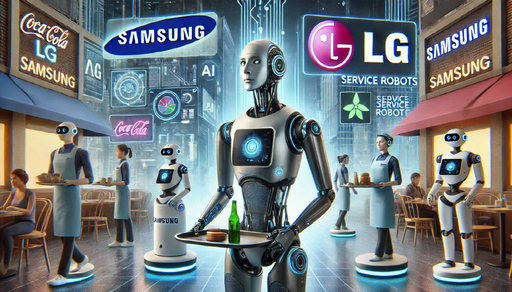
With the advancement of artificial intelligence (AI), 5G, and sensor technologies, the robotics industry is emerging as the next growth driver for the electronics sector. As global big tech companies like Tesla, Amazon, and SoftBank enter the market, Samsung Electronics and LG Electronics have also entered into full-scale competition. According to global market research firm TrendForce on the 12th, the global robotics market is expected to grow to a size of $100 billion (approximately 133 trillion won) by 2028. In particular, the humanoid robot market is anticipated to experience explosive growth at an average annual rate of 154%, leading to continued active investment from global information technology (IT) companies. In particular, Jensen Huang, CEO of NVIDIA, announced the launch of the "Cosmos" platform at the keynote speech at CES 2025 in the U.S. earlier last month. Cosmos is a simulation technology that helps robots learn in environments similar to the real world. It is expected to accelerate warehouse and factory automation, driving the growth of the robotics market. In South Korea, Samsung Electronics and LG Electronics are presenting differentiated strategies, focusing on industrial and humanoid robots, and service and business-to-business (B2B) robots, respectively. Samsung Electronics is accelerating the development of humanoid robots in collaboration with Rainbow Robotics, while LG Electronics has integrated Bear Robotics as a subsidiary and is focusing on expanding the service robot market. Samsung Electronics increased its stake in the domestic robotics company "Rainbow Robotics" from 14.7% to 35% last year, becoming the largest shareholder. The total investment amounts to 354.2 billion won. Rainbow Robotics, established in 2011 by the KAIST "Hubo Lab" research team, is a robotics specialist company that developed Korea's first bipedal robot, "Hubo." Through this investment, Samsung Electronics aims to accelerate the development of intelligent humanoid robots. To accelerate its robotics technology development, Samsung Electronics is undergoing organizational restructuring, which includes the establishment of a new Future Robotics Division, strengthening the robotics research team within Samsung Research, and expanding patent applications for autonomous driving and AI-based robots. These efforts are aimed at overseeing the entire scope of robotics technology development. Samsung Electronics is pushing forward with research and development for robots to enable unmanned processes in semiconductor plants by 2030. Additionally, the company plans to introduce industrial robots into manufacturing and logistics automation systems, with a future goal of actively entering the humanoid robot market. In the first half of this year, Samsung will launch the AI-based butler robot "Bolly" and the wearable robot "Botfit." Lee Jong-hee, Vice Chairman and CEO of Samsung Electronics, stated, "The humanoid robot plans will accelerate faster than expected." He added, "To move forward together, we have also established the Robotics Promotion Division and are proceeding step by step." LG Electronics is strengthening its efforts in the autonomous driving robot market with a differentiated robot strategy. At the end of last month, LG Electronics acquired an additional 30% stake in the AI-based autonomous driving robot company "Bear Robotics" in Silicon Valley, bringing its total stake to 51% and making it a subsidiary. Founded in 2017, Bear Robotics is an AI-based commercial autonomous robot company known for its expertise in swarm control technology, which moves multiple robots along optimized paths, as well as its cloud-based management solutions, which have earned global recognition for their technological capabilities. Since 2017, LG Electronics has been entering the service robot market and currently supplies seven different types of "CLOi" robots. With the acquisition of Bear Robotics, the company plans to focus on the commercial robot market, including food and beverage (F&B) and logistics delivery, while maximizing synergy effects. To achieve this, LG Electronics will integrate its commercial robot business, centered around "CLOi," with Bear Robotics. The company will retain Bear Robotics CEO Ha Jung-woo and other key executives to ensure continuity in the existing business, while also participating in the board of directors to drive the growth of the robot business and create synergies. LG Electronics also plans to strengthen its business in both home and industrial robots. The home robot division will be overseen by the Home Appliance & Air Solution (HS) division, which is working on developing the "AI Home Robot" that seamlessly connects home appliances and services using AI. CEO Jo Ju-wan of LG Electronics stated at the CES 2025 press conference, "Robots are a clear future," adding, "In addition to the F&B and logistics delivery robots we are currently focusing on, we are also preparing home robots, such as mobile AI home hubs." ChatGPT를 사용하여 번역한 기사입니다.

2025-02-12 16:13:28 메트로신문 기자
기사사진
트럼프, 요르단 국왕 만나 "美 가자 가질 것"…주민수용도 압박

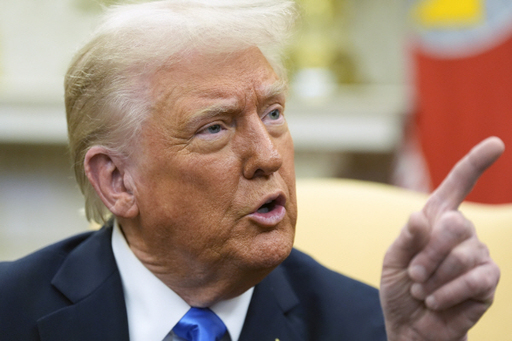
도널드 트럼프 미국 대통령이 11일(현지시간) 압둘라 2세 요르단 국왕을 만나 미국의 가자지구 소유 및 개발 의지를 전했다. 팔레스타인 이주민들의 수용도 압박했다. 다만, 요르단은 트럼프 대통령의 구상에 반대한다는 당초 입장을 유지하면서도 이날 가자지구 어린이 2000명을 우선 받아들이겠다고 밝혔다. 트럼프 대통령은 이날 백악관 집무실에서 압둘라 2세 요르단 국왕과 정상회담에 앞서 미국이 가자지구를 사들일 것이냐는 질문에 "사지 않아도 된다"며 "우리는 가자를 가질 것이다"고 답했다. 이어 "살 이유가 없다. 그 곳은 가자다. 전쟁으로 폐허가 된 지역"이라며 "우리가 가져가서 지키면서 소중히 간직하고, 끝내는 중동 지역 주민들을 위해 많은 일자리가 만들어지도록 할 것"이라고 덧붙였다. 트럼프 대통령은 가자지구 구상 계획도 밝혔다. 그는 "매우 큰 규모의, 아마도 가장 큰 수준의 경제 개발을 할 것"이라며 "호텔과 사무실, 주택 등이 세워질 것"이라고 강조했다. 트럼프 대통령의 구상대로라면 약 200만명의 팔레스타인 주민들이 다른 지역으로 이주해야 한다. 만약 가자주민들이 떠나길 원치 않을 경우엔 강제이주가 되는데 이는 국제법 위반이 될 가능성이 크다. 더구나, 요르단과 이집트를 포함해 아랍국가들은 트럼프 대통령 구상에 반대하고 있다. 압둘라 2세 요르단 국왕은 "우리가 당장 할 수 있는 것은 암에 걸리거나 매우 아픈 상태에 있는 어린이 2000명을 요르단으로 가능한 빨리 받아들이는 것"이라며 "트럼프 대통령과 어떻게 이 문제를 해결하기 위해 협력할지에 대한 이집트의 계획을 기다리겠다"고 말했다.

2025-02-12 09:42:13 원승일 기자
기사사진
Component Companies That Survived the Hardships Thank Smartphones Recovery and the Emergence of Robots

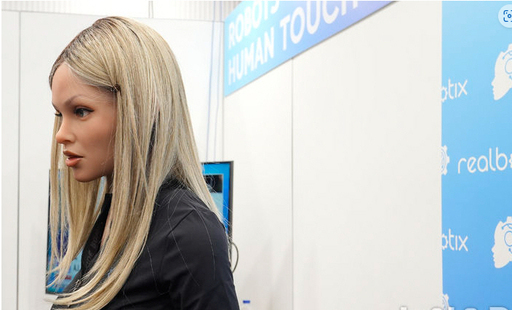
Amid the global economic downturn and the tariff risks posed by the Trump administration, the domestic information technology (IT) component industry is seeing a positive turn. Domestic component companies had been struggling with poor performance due to the downturn in markets such as electric vehicles and smartphones. However, with the smartphone market recovering and the emergence of new markets like humanoid robots and autonomous driving, they are starting to benefit. Camera modules, which are core components for these markets, are seeing increased demand. The component industry is focusing on high-value-added products to secure future growth momentum. According to market research firm Omdia on the 11th, global smartphone shipments are expected to reach 1.223 billion units this year, a 7.1% increase from last year (1.141 billion units). Since last year, the smartphone market has been showing signs of recovery. In the fourth quarter of last year, global smartphone shipments totaled 328.4 million units, a 6% increase compared to the previous quarter. Domestic component companies set record-high revenues last year. Samsung Electro-Mechanics has focused on providing components for Samsung Galaxy, while LG Innotek and LG Display have concentrated on components for Apple iPhones. As a result, the supply of high-value products such as high-performance camera modules has increased, boosting performance. This year, it is expected that performance will continue to improve, as both Samsung Electronics and Apple are set to release mid- to low-priced models, such as the Galaxy A series and iPhone SE4. LG Innotek will supply the front and rear camera modules for the iPhone SE4, while LG Display will supply OLED panels for the iPhone SE4. Jeong Cheol-dong, CEO of LG Display, stated at the '4th Generation OLED TV Panel' technology presentation last month, "We have worked hard on development, quality, and cost competitiveness over the past year, and with our differentiated capabilities, we expect to achieve results this year." He added, "It is difficult to give specific numbers by quarter, but we are optimistic that this year will be a turnaround year." The tariff policies of the Trump administration are also seen as a positive factor. The U.S. president's tariffs on China are expected to reduce the use of Chinese components in Apple products, which could result in indirect benefits for domestic companies. What is particularly noteworthy is the expansion of the humanoid and autonomous driving markets. As these sectors, identified as future growth drivers by the industry, expand, component companies are boosting their profitability. Core components of humanoid robots and autonomous vehicles, such as camera modules, are a key focus for domestic suppliers. In fact, Samsung Electro-Mechanics is expected to achieve a record-breaking revenue of 10.2941 trillion won and an operating profit of 735 billion won in 2024, marking the company's first time exceeding 10 trillion won in annual revenue. LG Innotek's automotive parts division saw a 2% decline in annual sales compared to the previous year, but its order backlog increased by 27%, reaching 13.6 trillion won, a 27% rise from the previous year. Domestic component companies are now fully entering the technological leadership competition by focusing on high-value-added products. Samsung Electro-Mechanics identifies "Mi-RAE" as its new business area, concentrating on industries such as robotics and AI. Specifically, the company plans to intensify its efforts to target the AI semiconductor substrate market, particularly FC-BGA (Flip-Chip Ball Grid Array). FC-BGA is a next-generation substrate that allows AI semiconductor chips to be densely connected to a mainboard without the need for wires. Additionally, Samsung Electro-Mechanics aims to develop and supply components such as MLCCs and camera modules needed for humanoid robots. LG Innotek, which generates over 70% of its revenue from Apple-related sales, is accelerating its efforts to target new businesses in sectors such as automotive, robotics, and semiconductors. It is reported that more than half of the 14 humanoid robots equipped with NVIDIA's AI technology will feature LG Innotek's camera modules. Additionally, LG Innotek is speeding up its entry into the AI semiconductor substrate market by beginning mass production of FC-BGA for global big tech companies. Moon Hyuk-su, CEO of LG Innotek, stated at the "CES 2025" held last month, "We have recently begun mass production of FC-BGA for North American big tech companies," and added, "In addition, we are pursuing development collaborations with several global big tech companies." ChatGPT를 사용하여 번역한 기사입니다.

2025-02-11 16:08:13 메트로신문 기자