메트로人 머니 산업 IT·과학 정치&정책 생활경제 사회 에듀&JOB 기획연재 오피니언 라이프 CEO와칭 플러스
글로벌 메트로신문
로그인
회원가입

    머니

  • 증권
  • 은행
  • 보험
  • 카드
  • 부동산
  • 경제일반

    산업

  • 재계
  • 자동차
  • 전기전자
  • 물류항공
  • 산업일반

    IT·과학

  • 인터넷
  • 게임
  • 방송통신
  • IT·과학일반

    사회

  • 지방행정
  • 국제
  • 사회일반

    플러스

  • 한줄뉴스
  • 포토
  • 영상
  • 운세/사주
국제
기사사진
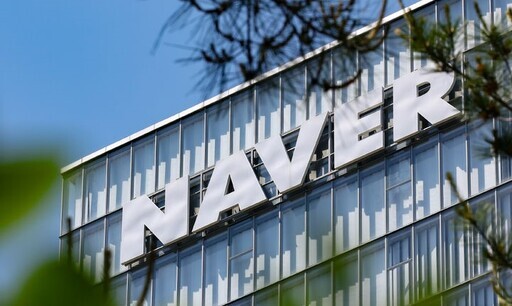
"Naver Joins the '10 Trillion Club' for the First Time, Driven by Search Ads and Commerce, Pushed Forward by Fintech and Cloud."

Naver has become the first domestic internet platform to join the "10 trillion won annual revenue club." The strong performance of its key revenue sources, including search ads and its e-commerce business, played a significant role. According to industry sources on the 9th, Naver recently announced that its annual consolidated revenue for last year reached 10.7377 trillion won, marking an 11.0% increase compared to the previous year. Its annual operating profit rose by 32.9% to 1.9793 trillion won, and its annual EBITDA (earnings before interest, taxes, depreciation, and amortization) increased by 24.9% to 2.6644 trillion won. In the fourth quarter of last year, Naver's consolidated revenue grew by 13.7% year-on-year, reaching 2.8856 trillion won, while operating profit for the same period rose by 33.7% year-on-year to 542 billion won. Naver's performance last year is interpreted as being driven by the growth of its Search Platform (search advertising) and Commerce sectors, while its Fintech and Content sectors provided additional support. The revenue by sector is as follows: ▲Search Platform: 3.9462 trillion won ▲Commerce: 2.923 trillion won ▲Fintech (Finance + Technology): 1.5084 trillion won ▲Content: 1.7964 trillion won ▲Cloud: 563.7 billion won The Search Platform sector saw a significant increase in advertising revenue, driven by targeted ads and the introduction of the homepage feed on the portal screen. This led to a 9.9% year-on-year growth in annual revenue. In the fourth quarter, the sector's revenue grew by 14.7% compared to the previous year. In the Commerce sector, Naver achieved a remarkable 14.8% year-on-year increase in annual revenue, even as most e-commerce platforms struggled. Last year, Naver launched "Naver Plus Store" in its commerce division and strengthened its partnership between Naver Plus Membership and its e-commerce services. Additionally, the company successfully enhanced the efficiency of its commerce advertising, maximizing profitability. Launched in October of last year, the Naver Plus Store, which emphasizes ultra-personalization, uses artificial intelligence (AI) to analyze individual preferences and interests, recommending products, benefits, promotions, and shopping-related content. The full profitability of this service is expected to be confirmed in the first and second quarters of this year. In the Fintech sector, Naver Pay grew in line with the expansion of Smart Store, and external payment volume also increased, leading to a 11.3% year-on-year growth in annual revenue, with a 12.6% increase in revenue for the fourth quarter. Despite the prolonged economic downturn, the fourth-quarter payment volume reached 19.3 trillion won, an 18.3% increase compared to the same period last year. In the Content sector, the exclusion of Naver Z from consolidated subsidiaries, combined with the growth in paid subscribers for a camera application linked to AI webtoon content, led to a 3.7% year-on-year increase in annual revenue. The Cloud sector recorded the highest growth. The increase in paid IDs for NeuroCloud and Lineworks, along with strong sales from the digital twin project in Saudi Arabia, resulted in a 26.1% year-on-year growth in annual revenue, with a 41.1% increase in fourth-quarter revenue. Naver aims to generate synergy across all its business areas in 2025, focusing on the organic integration of search advertising and commerce. Naver plans to maximize the efficiency of its search advertising business through AI engines and expand its presence on external media. In addition, in the commerce sector, Naver intends to launch the personalized shopping service "Naver Plus Store" as a separate app in the first half of the year to enhance the lock-in effect among users of its commerce platform. Choi Soo-yeon, CEO of Naver, stated, "This year will be a crucial period for implementing the On-service AI strategy across all of Naver's services. By enhancing the platform with AI technology, we will create new value and business opportunities, ultimately strengthening Naver's unique competitive advantage." He added, "In the commerce sector, through the launch of the new Naver Plus Store app in the first half of the year, we will expand the search-based shopping experience into a more personalized, exploration-based experience, offering a more intuitive and powerful shopping experience." Meanwhile, on the 7th, Naver proposed an agenda for its upcoming shareholder meeting scheduled for February 26, which includes appointing Naver's founder, Lee Hae-jin, Global Investment Officer (GIO), as an internal director. Lee Hae-jin had resigned from the position of Chairman of Naver's board of directors in 2017. ChatGPT를 사용하여 번역한 기사입니다.

2025-02-09 16:05:54 메트로신문 기자
기사사진
FSC and LCC performance shows a stark contrast… LCCs overcome crisis through cargo business.

In the domestic aviation industry, the performance of full-service carriers (FSCs) and low-cost carriers (LCCs) last year has been highly divergent. While overall revenue increased due to rising travel demand, operating profits declined due to high exchange rates and high oil prices. However, Korean Air stood out with improved performance, driven by its specialized strategy in both passenger and cargo sectors. Going forward, competition in the cargo sector among airlines is expected to intensify. According to industry sources on the 9th, Korean Air achieved its highest-ever performance, surpassing 16 trillion won in annual revenue, thanks to growth in both passenger and cargo sectors. The airline's annual revenue reached 16.1166 trillion won, and its operating profit was 1.9446 trillion won. This represents increases of 10.6% and 22.5%, respectively, compared to the previous year. The revenue is the highest level since the company was founded in 1969. The company's annual net profit also surged by 36.8%, reaching 1.2542 trillion won, up from 916.8 billion won the previous year. The growth of Korean Air can be attributed to its expansion of long-haul international routes and the increase in air cargo rates. Last year, Korean Air's international passenger count rose by 26.5% to 17.694 million, while its international cargo volume increased by 9.5% to 1.604 million tons. On the other hand, the LCC (Low-Cost Carrier) industry has faced difficulties due to intensified competition on short-haul international routes, high exchange rates, and rising oil prices. One of the main factors behind the poor performance is that LCCs lack the competitiveness in air cargo, compared to FSCs. Jeju Air is expected to release its results for last year on the 10th. The industry anticipates that Jeju Air's revenue will increase by about 11%, reaching 1.8 trillion won. However, its operating profit is expected to decrease by 15.3%, falling to 137 billion won. Particularly, Jeju Air, which celebrates its 20th anniversary this year, faces its biggest crisis following the tragic incident involving one of its passenger planes at the end of last year. Similarly, T'way Air is expected to see a 13% increase in revenue, reaching 1.53 trillion won, but its operating profit is predicted to drop by 63%, amounting to 51 billion won. The LCC (Low-Cost Carrier) industry is focusing on air cargo business as a breakthrough for enhancing profitability and is accelerating efforts to secure competitiveness. This is driven by factors such as demand from China's e-commerce sector and the rise in sea freight rates due to the Red Sea crisis. Eastar Jet began cargo operations on the Incheon-Bangkok route on January 15. The airline primarily transports e-commerce products, electronics, auto parts, clothing, and fruits, and plans to expand its cargo routes starting next month to destinations such as Tokyo, Osaka, Taipei, Shanghai, and Zhengzhou. T'way Air has been utilizing the belly cargo space in its long-haul aircraft to transport both passengers and cargo. Belly cargo space refers to the unused space in the lower part of a large passenger aircraft, and T'way Air has been filling this space with cargo to boost its performance. Air Premia recorded a net cargo volume of 23,425 tons last year, marking a roughly 20% increase compared to the previous year's 18,739 tons. Since 2021, when the airline's net cargo volume was just 35 tons, Air Premia has steadily grown its cargo business, reaching 6,356 tons in 2022 and 18,739 tons in 2023. Air cargo transport volume has been steadily increasing. According to the Ministry of Land, Infrastructure, and Transport's Air Portal system, the total international air cargo volume last year reached 4.19 million tons, representing a 12% increase compared to 3.74 million tons in 2023. LCCs (Low-Cost Carriers) recorded a sharp increase in their cargo volume, growing from 18,668 tons in 2020 to 127,342 tons last year. An industry insider noted, "For LCCs, passenger demand isn't their main revenue source, so diversification of business is necessary. With increasing demand for overseas e-commerce goods from places like China, they are now actively engaging in the cargo transport business." The insider added, "In the future, it seems that airlines will seek new revenue streams through business diversification across various sectors." ChatGPT를 사용하여 번역한 기사입니다.

2025-02-09 15:14:51 메트로신문 기자
기사사진
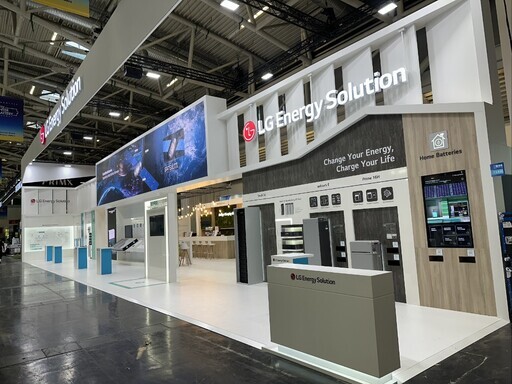
Last year, the K-battery industry struggled as well, with losses in all four quarters. Companies are now focusing on reducing investments and concentrating on efficiency improvements.

The three major domestic battery companies (LG Energy Solution, Samsung SDI, and SK On) all recorded losses in the fourth quarter of last year. With the policy changes under the second Trump administration and various other uncertainties, the industry is now facing a challenging situation. In the midst of this uncertain external environment, battery companies are planning to focus on strategies for operational efficiency, such as reducing investment and transitioning production lines, throughout this year. According to industry sources on the 8th, LG Energy Solution reported fourth-quarter revenue of 6.4512 trillion won and an operating loss of 2.255 trillion won. Excluding the 3.773 trillion won subsidy received under the U.S. Inflation Reduction Act (IRA), the actual operating loss amounted to 6.028 trillion won. Samsung SDI recorded a quarterly loss for the first time in about seven years. In the fourth quarter of last year, the company reported revenue of 3.7545 trillion won and an operating loss of 2.567 trillion won. Excluding subsidies, the actual operating loss amounted to 2.816 trillion won. SK On also recorded a loss in the fourth quarter of last year, with revenue of 6.2666 trillion won and an operating loss of 1.127 trillion won. Industry experts believe that the decline in electric vehicle battery demand from automakers, coupled with falling battery supply prices, has worsened profitability. With the slow recovery of the industry, the uncertainty surrounding IRA subsidies under the second Trump administration is also growing. As a result, companies are adjusting their investment strategies to respond to the uncertain market environment. LG Energy Solution has set its capital expenditure (CAPEX) for this year at approximately 10 trillion won, which is about 3 trillion won less than the previous year. This decision comes in response to the long-term stagnation of electric vehicle demand, leading to greater demand volatility, as well as the maximization of idle line utilization, particularly in North America. However, the company is not simply deferring or reducing investments. It plans to continue preparations for launching joint ventures (JVs) with Stellantis and Honda, which are expected to commence operations in the second half of the year, in order to meet customer needs. Samsung SDI has also taken a cautious stance regarding its investment plans for this year. While it spent 6.6 trillion won on capital expenditures last year, it plans to scale back investments this year. In a conference call in January, Samsung SDI stated, "With uncertainty in forward demand and many companies adjusting their investment plans, we are also re-evaluating our investment strategy based on market conditions. Overall, we are adjusting our investment plans in a more conservative direction, and capital expenditure this year will be lower than the previous year." SK On plans to reduce its battery facility investment from 7.5 trillion won last year to about 3.5 trillion won this year, cutting the investment by more than half. The operation of the joint venture factory with Ford in the U.S. will also be delayed by one year. The company aims to reassess the optimal timing based on the market conditions. Additionally, battery companies are exploring ways to export lithium-ion batteries produced in Canada to factories in Europe to avoid the impact of U.S. policies. This strategy is designed to mitigate the potential loss of price competitiveness for domestic companies that have invested in Canada, in the event that the U.S. imposes a 25% tariff on Canadian products. Europe's favorable stance toward the electric vehicle (EV) industry is one of the key factors driving domestic battery companies to consider Europe as an alternative production base. Since January 30, discussions have been underway in Europe to revive the automotive industry. The key aspects of the policies under discussion include: ▲Carbon dioxide penalty deferral ▲EU-level EV purchase subsidies The industry anticipates that if both policies are implemented simultaneously, it will have a positive effect on European EV demand. The final policy details are expected to be unveiled on March 5. An industry insider noted, "As the uncertainty surrounding U.S. policies increases, the developments in the European market will have a significant impact on the battery industry. If electric vehicle incentives are strengthened and regulations are relaxed, companies may carefully consider expanding their production bases in Europe." ChatGPT를 사용하여 번역한 기사입니다.

2025-02-09 15:10:56 메트로신문 기자
기사사진
Trump's tariffs targeting only China made Apple suffer while Samsung felt relieved, but "this is just the beginning."

The tariff war triggered by Trump has begun, with China becoming the first target. As a result, there are concerns that Apple, which produces most of its products in China, will be hit hard, while Samsung Electronics' smartphones are expected to benefit in the short term. However, some fear that this is merely a 'breathing pause.' With China now facing additional U.S. tariffs, there is a growing possibility that Korea's exports of intermediate goods, such as semiconductors, to China could be affected. Particularly, since President Trump had promised to impose tariffs on all countries during his campaign, home appliance companies with production bases in Mexico are likely to be forced to revise their strategies. At 12:01 AM on February 4 (Eastern Time), the tariff increase on China, which President Trump had previously announced, went into effect. Meanwhile, on February 3, President Trump decided to delay the imposition of a 25% tariff on Mexico and Canada for one month, just one day before it was set to be implemented. As most of Apple's production facilities are based in China, the company is expected to be directly impacted, with forecasts suggesting that Samsung Electronics' smartphones could see short-term gains. More than 85% of Apple's iPhone production is carried out in China. Due to the tariff measures, a price increase for the iPhone has become inevitable. If iPhone prices rise, Samsung Electronics may see a boost in its price competitiveness. However, it is uncertain whether Apple will receive the same exemption from tariffs that it did during the first Trump administration, when the company was granted some relief on certain products. The issue is that while South Korea has avoided being the primary target of these tariffs, this may only be a temporary reprieve. If the prices of Chinese-made IT products such as smartphones, laptops, and tablets rise in the U.S. market, it could lead to a decrease in South Korea's exports of intermediate goods to China. According to analysis by Counterpoint Research, based on data from the U.S. International Trade Commission (ITC), it is predicted that 80% of Chinese-made finished products related to displays imported into the U.S. will be affected by tariffs. As a result, a contraction in the U.S. IT and home appliance markets could lead to a reduction in production within China, which in turn may result in a decline in South Korea’s exports of intermediate goods to China, such as semiconductors and wireless communication components. This is especially concerning given that while the U.S. has agreed to delay the imposition of tariffs on Canada and Mexico, this situation may not last long. President Trump has consistently advocated for imposing a universal tariff of more than 10% on all countries as part of his campaign promises, so there is a possibility that additional tariffs could soon be expanded to other countries. Moreover, if the U.S. government does not take further action on the border issue with Mexico within a month, the threat of reintroducing tariffs could be revived at any time. Both Samsung Electronics and LG Electronics have most of their production facilities in Mexico. Samsung produces TVs and home appliances in Tijuana and Querétaro, which are located near the U.S. border, while LG Electronics manufactures home appliances and electronics in Reynosa, Monterrey, and Ramos Arizpe, Mexico. As a result, companies in industries such as home appliances and batteries with factories in Mexico, Canada, and other countries are likely to face inevitable strategic adjustments. The home appliance industry, having experienced a 20-50% tariff bomb on washing machines during the first Trump administration, has since built factories in the U.S. in response, and industry analysts believe that companies in this sector have strengthened their ability to respond to similar challenges in the second administration. It is reported that Samsung Electronics is considering producing some of its products, such as dryers, at its Newberry plant in South Carolina, which currently manufactures products at its Querétaro facility in Mexico. Han Jong-hee, Vice Chairman and CEO of Samsung Electronics, stated at a press conference held during CES 2025 in the U.S. last month, "As you know, Samsung has quite a number of factories around the world. We are not concentrating on one particular location, but we will make good use of this advantage." It is also reported that LG Electronics is considering relocating some of its production, such as refrigerators, to its factory in Tennessee, USA. Kim Chang-tae, Chief Financial Officer of LG Electronics, stated during a conference call on January 23, "If the level of tariff increases requires fundamental changes to the supply chain structure, we believe that utilizing our know-how in operating production facilities in the U.S. could lead to more proactive changes in our production location strategy." ChatGPT를 사용하여 번역한 기사입니다.

2025-02-06 15:31:54 메트로신문 기자
기사사진
POSCO, which overcame past U.S. import regulations and grew, is expected to overcome the "tariff barriers" once again.

POSCO, the "elder sibling" of the steel industry, saw a nearly 40% decrease in operating profit last year due to worsening market conditions. Additionally, the possibility of a reduction in the U.S. tariff-free quota has raised concerns about the "Trump risk," further adding pressure. As a result, there are growing fears surrounding POSCO's current situation. However, POSCO has a history of proving its competitiveness and surviving even during challenging times, such as under the U.S.'s "trigger price" system. While Japanese steelmakers struggled with import restrictions, POSCO solidified its position in the market through strategic responses. The industry remains optimistic, with many believing that POSCO can overcome the current uncertain external environment as well. According to industry sources on the 6th, POSCO Holdings' revenue for last year was 72.688 trillion KRW, a 5.8% decrease compared to the same period the previous year. Net profit also fell by 48.6% to 9.5 trillion KRW. In the steel sector, POSCO's revenue dropped by 3.6% to 37.556 trillion KRW, and operating profit decreased by 29.3% to 1.473 trillion KRW. The decrease in both revenue and operating profit was attributed to a decline in steel demand and the impact of the economic downturn, which led to a reduction in production and sales due to fluctuations in the number of operating blast furnaces. Moreover, the sense of crisis has intensified as U.S. President Donald Trump has repeatedly announced plans to impose tariffs targeting the steel industry. Similar to President Trump's tariff policy, there have been past instances of such measures. POSCO demonstrated its competitiveness even under the "trigger price" system implemented by former U.S. President Jimmy Carter in the 1970s, which was aimed at protecting the domestic market. The trigger price system set a specific price threshold, and if foreign steel products were imported below that price, the U.S. could initiate anti-dumping investigations without complicated procedures. At that time, POSCO successfully entered the U.S. market by establishing UPI (USS-POSCO Industries). By investing 50-50 with U.S. Steel, POSCO modernized a cold-rolling plant in Pittsburgh and supplied raw materials, thus avoiding trade friction. Additionally, POSCO adopted a differentiated strategy from Japanese steelmakers. While Japanese companies maintained high-price policies and sold steel at elevated prices, POSCO focused on price competitiveness to target the market. Thanks to this strategy, POSCO was able to minimize the impact of the trigger price system while solidifying its position in the U.S. market. Building on its past experience, POSCO is now considering a local production strategy to avoid U.S. tariffs. It is carefully exploring the possibility of establishing production facilities within the United States. In addition, POSCO is actively seeking ways to maintain its competitiveness despite the deteriorating market conditions. The company plans to focus on systematically innovating its cost structure to maximize profitability. This includes developing technologies to reduce raw material usage or effectively blend low-cost raw materials while maintaining the same quality. Ultimately, the goal is to maximize production efficiency and significantly reduce raw material costs. Furthermore, POSCO plans to secure global business opportunities by expanding investments in high-growth, high-profit markets such as India and North America, and strengthen its core competitiveness by achieving concrete results in the carbon-neutral sector. A POSCO spokesperson stated, "The intensification of regulations on China and the easing of monetary policies, including fiscal policies, will serve as positive signals." They added, "We cautiously expect that the global steel market will improve in the second half of this year." ChatGPT를 사용하여 번역한 기사입니다.

2025-02-06 15:26:35 메트로신문 기자
기사사진
'Shipbuilding and Energy Boom' HD Hyundai Records Operating Profit of 2.9832 Trillion KRW Last Year, Up 46.8% Compared to the Previous Year.

HD Hyundai recorded strong performance last year, driven by improvements in the shipbuilding and power equipment subsidiaries. On the 6th, HD Hyundai announced its annual results, reporting consolidated revenue of 67.7656 trillion KRW and operating profit of 2.9832 trillion KRW. This marks a 10.5% increase in revenue and a 46.8% increase in operating profit compared to the previous year. This strong performance was largely due to significant improvements in the shipbuilding and marine sectors, along with the continued strong performance of the power equipment division. Looking at the major business segments, HD Korea Shipbuilding & Offshore, in the shipbuilding and marine sector, led the performance improvement with a 19.9% increase in revenue, reaching 25.5386 trillion KRW. This growth was driven by an increase in orders for high-value-added eco-friendly ships and improved production efficiency. Operating profit also surged by 408% compared to the previous year, totaling 1.4341 trillion KRW, thanks to a selective order strategy focused on profitability. HD Hyundai Heavy Industries, a subsidiary of HD Korea Shipbuilding & Offshore, recorded revenue of 14.4865 trillion KRW and operating profit of 705.2 billion KRW. HD Hyundai Samho and HD Hyundai Mipo also posted strong results, with revenues of 7.0031 trillion KRW and 4.63 trillion KRW, respectively, and operating profits of 723.6 billion KRW and 88.5 billion KRW. HD Hyundai Marine Solutions recorded revenue of 1.7455 trillion KRW, a 22% increase compared to the previous year, driven by strong orders in its core ship parts service business (AM) and expansion in digital control businesses such as smart ship operation management and automation solutions. Operating profit also grew by 34.8% to reach 271.7 billion KRW. HD Hyundai Marine Engine, which was newly integrated into the group last year, saw significant success with its strategy of expanding eco-friendly engine products. The company recorded revenue and operating profit of 315.8 billion KRW and 33.2 billion KRW, respectively, marking increases of 28.9% and 85.5% compared to the previous year. In the construction machinery segment, HD Hyundai Site Solutions saw a decline in both revenue and operating profit, recording 7.7731 trillion KRW and 432.4 billion KRW, respectively. This represents a decrease of 11.1% in revenue and 40.3% in operating profit due to the exceptional boom caused by infrastructure investments in major countries in 2023, as well as the impact of the global economic downturn. In the energy segment, HD Hyundai Oilbank achieved revenue of 30.4686 trillion KRW, a 8.4% increase compared to the previous year, thanks to the expansion of eco-friendly fuel supply and plant operation efficiency improvements. However, operating profit dropped by 58.2%, totaling 258 billion KRW. HD Hyundai Electric recorded revenue of 3.3223 trillion KRW and operating profit of 669 billion KRW, driven by increased demand for power equipment due to the expansion of global data centers and the spread of artificial intelligence (AI) technologies. The company also benefited from a selective order strategy that improved profitability. HD Hyundai Electric plans to continue its strong performance by expanding its production capacity for 765kV ultra-high voltage transformers through the construction of new factories, including one on existing sites in Ulsan and a second factory at its Alabama branch in the U.S. A spokesperson from HD Hyundai stated, "Given the increasing external uncertainties, we will focus on a profitability-oriented strategy across all business areas this year based on a stable business portfolio. With strong performance continuing in the shipbuilding and power equipment sectors, we will maintain our growth momentum through the development of eco-friendly technologies and maximizing production efficiency." ChatGPT를 사용하여 번역한 기사입니다.

2025-02-06 15:21:16 메트로신문 기자
기사사진
트럼프 "트랜스젠더, 美 여성스포츠 출전 금지" 명령

도널드 트럼프 미국 대통령이 5일(현지시간) 미국 내 성전환자(트랜스젠더)들의 여성 스포츠 참가를 금지하는 내용의 행정명령에 서명했다. 행정명령에는 남성에서 여성으로 성을 전환한 이들이 여성 스포츠팀에 참가할 수 없도록 하고, 이를 허용한 학교에는 연방자금 지원을 거부한다는 내용이 담겼다. '남성의 여성 스포츠 참여 배제(Keeping Men Out of Women's Sport)'로 명명된 이 행정명령은 트럼프 대통령의 대선 공약이었다. 앞서 트럼프 대통령은 취임 첫날 전임 행정부와 달리 여성과 남성 두 가지 성별만 인정하겠다는 행정명령에 서명했다. 트럼프 대통령은 이날 "2기 행정부에서 우리는 여성 운동선수들의 자랑스러운 전통을 보호하고 남성들이 여성과 소녀들을 폭행하며 다치게하고 속이는 것을 허용하지 않을 것"이라며 "이제부터 여성 스포츠는 여성만을 위한 것"이라고 선언했다. 미국 의회도 관련 입법을 추진 중이다. 앞서 공화당이 장악한 하원은 성전환자 소녀와 여성의 여성 스포츠 경기 참가를 금지하는 법안을 통과시켰다. 다만, 공화당이 상원에서 필리버스터를 무력화할 정도의 의석(60석)은 확보하지 못해 처리 여부는 미지수다. 현재 미국 내 27개 주가 성전환자 여학생 및 여성의 스포츠 참가를 전면 금지하고 있다. 반면, 성전환자의 권리를 옹호하는 14개 주는 여성 스포츠 포함을 의무화하고 있다.

2025-02-06 09:16:15 원승일 기자