메트로人 머니 산업 IT·과학 정치&정책 생활경제 사회 에듀&JOB 기획연재 오피니언 라이프 CEO와칭 플러스
글로벌 메트로신문
로그인
회원가입

    머니

  • 증권
  • 은행
  • 보험
  • 카드
  • 부동산
  • 경제일반

    산업

  • 재계
  • 자동차
  • 전기전자
  • 물류항공
  • 산업일반

    IT·과학

  • 인터넷
  • 게임
  • 방송통신
  • IT·과학일반

    사회

  • 지방행정
  • 국제
  • 사회일반

    플러스

  • 한줄뉴스
  • 포토
  • 영상
  • 운세/사주
국제
기사사진
Amid the crisis in the automotive, semiconductor, and secondary battery industries due to "America First" policies, companies are seeking opportunities.

On the 20th (local time), as the second term of the Trump administration is about to begin, tension is rising within domestic industries such as semiconductors and automobiles. President-elect Trump has previously expressed negative views on semiconductor subsidies and the Inflation Reduction Act (IRA) in the battery industry. There is also a high likelihood that he will implement policies such as withdrawing from the Paris Climate Agreement, lifting the electric vehicle mandate, and halting offshore wind energy development. As a result, domestic companies are seen working diligently to prepare for uncertain market conditions. According to industry sources on the 19th, the second term of the Trump administration is expected to continue the semiconductor export controls against China initiated by the Biden administration. The Biden administration expanded domestic semiconductor manufacturing through the CHIPS Act and planned to regulate the export of advanced semiconductors to China. As a result, South Korean semiconductor companies are planning to focus on establishing local production systems in the U.S. and expanding their technological competitiveness. Currently, Samsung Electronics operates NAND flash production plants in Xi'an and Suzhou, China, as well as semiconductor back-end processing (packaging) plants. SK hynix has DRAM plants in Wuxi, back-end processing plants in Chongqing, and a NAND plant in Dalian. These companies are building factories in the U.S. to respond to export regulations. Currently, Samsung Electronics' plant being constructed in Taylor, Texas, is expected to begin mass production in 2026. SK hynix's Indiana plant is also anticipated to start production of high-bandwidth memory (HBM) and other AI memory products in the second half of 2028. The South Korean battery industry already has a significant number of factories in the U.S., giving it a competitive edge. Additionally, South Korean companies possess core technologies that enable them to respond effectively to export controls and protectionist trade policies in the medium to long term. However, challenges are expected due to Trump's protectionist trade policies and China's increased export controls to the U.S. Ultimately, the battery industry finds itself in a situation where government support is critical. The South Korean battery industry has historically relied on importing raw materials from China, producing intermediate materials such as anode and cathode materials domestically, and manufacturing finished battery cells in the U.S. under this structure. The Inflation Reduction Act (IRA) recognizes processed battery materials from countries with which the U.S. has free trade agreements (FTAs) as equivalent to domestic materials, qualifying for electric vehicle consumer subsidies. However, if the Trump administration imposes tariffs on battery materials, the South Korean battery industry will inevitably need to restructure its business operations in order to maintain its competitiveness. There is a high likelihood that companies will either build new factories or expand their existing facilities in North America. For cathode materials, which have the highest cost share, EcoPro BM, LG Chem, and POSCO Future M are all constructing factories in North America. Among them, LG Chem's Tennessee plant (with an annual production capacity of 120,000 tons) is the only one located in the U.S., while POSCO Future M and EcoPro BM are building plants in Canada. The automotive industry plans to adapt flexibly by adjusting its strategy to focus on eco-friendly vehicles. South Korea's automotive industry accounted for about 60% of the country's total trade surplus with the U.S. last year, solidifying its position as a "key export" industry for South Korea. Hyundai Motor Group plans to reduce electric vehicle production at its local factories and increase the production of eco-friendly vehicles, including hybrid cars, in line with the Trump administration's election promises to abolish electric vehicle subsidies and remove penalties for internal combustion engine vehicles. Hyundai Motor Group plans to focus on the production of the Palisade Hybrid, which is scheduled for release in the U.S. in the second half of this year, and the Genesis Hybrid, which is still under development, at the "Hyundai Motor Group Metaplant America (HMGMA)" that began operations in October last year. The group will also start production of the large flagship electric sports utility vehicle (SUV) Ioniq 9, which is set to be launched this year. Additionally, the export and import regulations for connected cars are favorable to South Korean companies. The U.S. government, in its confirmation on the 14th, included a provision in the connected car-related regulations that gradually bans the sale of vehicles using Chinese and Russian software components for autonomous driving or communication functions. These regulations will apply to software starting with 2027 models and to hardware starting with 2030 models. Hyundai Motor Group is expected to benefit from these regulations. The group is currently collaborating with NVIDIA on AI programs and is pursuing autonomous taxi services in partnership with Waymo, a Google subsidiary, which is the world's leading robo-taxi company. Additionally, through its subsidiary, Motional, Hyundai Motor Group is focusing on advancing fully autonomous driving technology in the U.S. Additionally, Hyundai Motor Group donated $1 million (approximately 14.7 billion won) to the inauguration of U.S. President Donald Trump as part of its response to the uncertainties of his second term. This is the first time Hyundai Motor Group has made a donation to a U.S. presidential inauguration since its entry into the U.S. market. An industry insider stated, "It is difficult to predict what will happen after President Trump's inauguration," and added, "We need to watch how things will unfold after the start of the Trump administration and prepare flexible strategies for North America, which is our key market." ChatGPT를 사용하여 번역한 기사입니다.

2025-01-19 16:08:28 메트로신문 기자
기사사진
Naver and Kakao Enhance AI Shopping Services to Capture Both User Convenience and Advertising Revenue

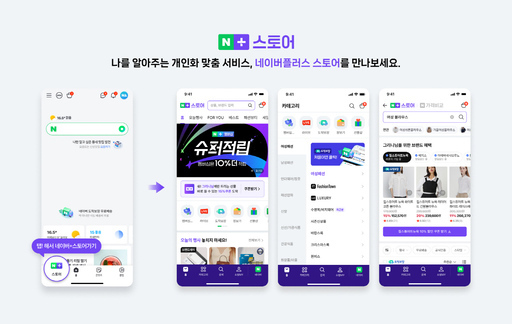
Naver and Kakao are applying artificial intelligence (AI) to their shopping pages, accelerating the development of ultra-personalized services. AI-driven personalized shopping services directly translate into advertising revenue, making them a crucial cash cow for these companies, highlighting their growing importance. According to industry sources on the 19th, following Naver's launch of the AI-based ultra-personalized shopping service, "Naver Plus Store," in October last year, Kakao is now set to release the beta version of its "AI Shopping Mate." In the fourth quarter of last year, Naver launched Plus Store as a separate service, marking the official start of its personalized shopping service. It is scheduled for release as a standalone app in the first half of this year. Plus Store analyzes individual preferences and interests to recommend and display not only products but also benefits, promotions, and shopping-related content, offering an ultra-personalized AI shopping experience. The shopping functionality focused on searching and comparing product specifications will be rebranded as the "Naver Price Comparison" service, which will feature an improved catalog function. Meanwhile, the AI-driven shopping experience, previously scattered across various services such as AiTEMS product recommendations and the FOR YOU service, will be fully expanded through "Naver Plus Store." With the launch of Plus Store, users' shopping experiences have been improved, and sellers have found it easier to collect and analyze shopping data. Despite prolonged sluggish consumer sentiment, the industry estimates that Naver Shopping continues to grow. Lee Jun-ho, an analyst at Hana Securities, stated regarding the commerce business, "The fourth-quarter domestic online shopping transaction volume is expected to show stagnant growth of around 2%, similar to the third quarter, but Naver is projected to outperform this with growth of +5.2%, driven by its Smart Store and Brand Store." On the 18th, Kakao revealed the beta version of its second AI Mate, "AI Shopping Mate," on the AI Mate website. AI Shopping Mate is a service that can be used via web chat and KakaoTalk channels, with a focus on KakaoTalk Gift. Through conversations with users, it not only suggests shopping items they want to purchase but also provides information about their KakaoTalk friends' birthdays and recommended gifts. Kakao developed AI technology specialized for shopping to build the service. Since there is no existing data that fits the gift recommendation scenario, supervised fine-tuning (SFT) data, which allows the AI to naturally perform dialogues and scenarios, is essential for learning the shopping-related scenarios. Kakao developed fine-tuning data internally to make its general-purpose AI model work for the gift recommendation scenario. The company provides a newly designed chatbot tailored to both the familiar KakaoTalk channel chatbot and generative AI, offering users a fully customized experience. Both Naver and Kakao are building and advancing AI shopping services not only to improve user experience but also to maximize advertising revenue. Advertising through shopping services generates revenue from sellers' broad-targeted ads as well as purchase conversion revenue driven by ads. Therefore, if ultra-personalized services lead to user purchases, the platform's advertising revenue will also increase. In fact, consumer shopping experiences through AI technology have been proven overseas. According to a report from Capgemini Research Institute, 68% of consumers in a 2024 survey stated that they had actually purchased products recommended by AI. This is a significant increase from 52% in 2023. ChatGPT를 사용하여 번역한 기사입니다.

2025-01-19 15:37:51 메트로신문 기자
기사사진
트럼프 2기 내각 '충성파'로 구성…경제는 관세론자·대중강경파 배치

2기 트럼프 내각을 한 줄로 요약하면 '미국 우선주의(America First)를 이행할 충성파'로 구성됐다는 평가다. 지난 1기 행정부에서 내각 인사들의 반대, 정책 간 이견으로 내홍을 겪은 만큼 관세 강화, 반이민 정책 등 본인의 공약에 우호적이고 동조하는 인물들이 대거 발탁됐다. 트럼프 행정부는 20일(현지시간) 워싱턴DC에서 열리는 취임식과 함께 집권 2기를 시작한다. 이번 트럼프 내각의 가장 큰 관심사였던 외교·안보 라인에는 트럼프 대선 캠프에 참여했고, 러닝메이트로 거론됐었던 보수 성향의 충성파들이 대거 포진됐다. 우선, 국방부 장관에는 피트 헤그세스 전 보수 매체 폭스뉴스 진행자가 발탁됐다. 헤그세스 지명자는 2017년 폭스뉴스 진행자로 합류하기 전 '자유를 위한 재향군인'(VFF), '미국을 걱정하는 재향군인'(CVA) 등 2개 보수 단체의 회장을 맡았던 인물이다. '외교·안보' 투톱으로 알려진 국무부 장관과 백악관 국가안보보좌관에는 마코 루비오 상원의원, 마이크 왈츠 하원의원이 각각 지명됐다. 국무부 장관 루비오 상원의원은 지난 2016년 공화당 대선 경선 당시 트럼프 당선인과 TV토론에서 각을 세웠다. 루비오 의원은 플로리다 예비 선거에서 패한 뒤 중도 하차했다. 이후, 트럼프 당선인을 지지하는 쪽으로 노선을 바꿨다. 트럼프 1기 행정부 때부터 측근이었던 백악관 국가안보보좌관 왈츠 의원은 '미국 우선주의'를 잘 이행할 인물로 내각에 참여하게 됐다. 그는 대중 강경파로 북대서양조약기구(NATO·나토)에도 비판적인 것으로 알려졌다. 육군 특수부대 '그린베레' 출신 왈츠 의원은 하원 중국특위에서 활동할 당시 핵심 광물에 대한 중국 의존을 줄이고, 미국 대학과 학계를 중국의 간첩 활동에서 보호하기 위한 법안을 발의하기도 했다. 트럼프 2기의 경제 정책은 관세·무역 전쟁을 예고한 대로 관세 강화를 옹호해온 인물들이 이끌게 됐다. 재무장관으로 지명된 키스퀘어그룹 설립자 스콧 베센트는 관세 정책을 펼 때 시장에 적응할 시간을 주고 협상력을 극대화하기 위해 사전 예고(선제적 안내)가 명확히 이뤄져야 한다고 주장해 왔다. 상무장관으로 발탁된 하워드 러트닉 또한, 트럼프의 관세 강화 및 제조업 기반 강화 공약을 적극 뒷받침할 만한 인물이란 평가를 받고 있다. 제이미슨 그리어 미국무역대표부(USTR) 대표 역시 트럼프 집권 1기 때부터 대중국 고율 관세 부과 정책을 추진해왔다. 트럼프 2기 내각의 눈에 띄는 인사로 정부효율부(DOGE) 공동 수장인 일론 머스크 테슬라 최고경영자(CEO)를 빼 놓을 수 없다. 트럼프 대선 캠프에 거액을 기부하며 입지를 다져온 머스크는 관료주의를 혁파하고 경제·대외·이민 등 주요 정책들을 추진할 이른바 '마가(MAGA·미국을 다시 위대하게)' 세력으로 급부상했다. 이 밖에 에너지부 장관으로 발탁된 크리스 라이트 리버티 에너지 설립자, 내무부 장관에 더그 버검 노스다코타 주지사, 교육부 장관에 린다 맥마흔 월드레슬링엔터테인먼트 공동설립자 등도 트럼프 캠프에 후원했던 억만장자 출신들이다. 한국으로서는 공석인 주한 미국 대사로 어떤 인물이 올 지도 관심사다. 현재 주한 미국 대사로 한국계인 미셸 박 스틸 전 하원의원과 한반도 전문가인 앨리슨 후커 전 백악관 국가안전보장회의(NSC) 선임 보좌관 등이 후보로 거론된다. 스틸 의원(한국명 박은주)은 서울에서 태어났고, 1975년 가족과 함께 미국으로 이주했다. 1992년 로스앤젤레스(LA) 폭동을 목도한 이후 정계에 입문했다. 2020년 중간선거로 연방하원에 진출, 한반도와 북한 문제에 적극적인 목소리를 내 왔다. 후커 전 보좌관은 외교 정책 및 국가안보 전문가로 미국 정부에서 아시아 관련 업무를 수행한 경력이 있다. 그는 트럼프 1기 당시 북미 정상회담 및 실무 협상에 깊이 관여했다. 현재 조셉 윤 전 국무부 대북특별대표가 주한 미국대사관의 '임시 대사대리'로 파견와 있다. 일각에서는 트럼프 2기 내각은 충성파들 위주로 구성된 탓에 우려의 목소리도 나온다. 트럼프 1기 때 과격한 정책에 제동을 걸었던 존 켈리 전 백악관 비서실장과 렉스 틸러슨 전 국무장관, 제임스 매티스 전 국방장관 등 소위 '어른들의 축(Axis of Adults)'은 이번 내각에서 볼 수 없게 됐다. 이들 모두 트럼프 당선인과 갈등이 깊어지면서 경질됐다. 미국 의회가 트럼프 2기 내각 인사청문회에 돌입한 가운데 일부 후보자들의 자질, 도덕성 논란도 끊이지 않고 있다. 헤그세스 후보자는 과거 자금관리 부실, 성적 부적절성, 과도한 음주 등으로 비영리 단체 2곳에서 퇴출당했다는 전력이 공개되면서 부적격이란 주장이 제기됐다. 국가정보국(DNI) 국장으로 발탁된 털시 개버드 전 하원의원은 과거 러시아에 우호적인 행적이 도마 위에 올랐다. 그는 우크라이나 전쟁과 관련해 러시아를 지지하는 듯한 발언을 한 바 있다. 2017년에는 하원의원 자격으로 시리아를 방문해 바샤르 알 아사드 대통령을 만난 것도 문제가 됐다. 보건복지부 장관으로 지명된 로버트 F. 케네디 주니어는 공중 보건과 백신에 대해 계속해서 음모론을 제기해 온 전력이 비판받고 있다.

2025-01-19 14:46:18 원승일 기자
기사사진
Focusing on Targeting India, the World's Third-Largest Car Market… Intensifying Competition Among South Korea, China, Japan, and the U.S.

Global automakers are accelerating their efforts to target the electric vehicle market in India. The Indian electric vehicle market has high growth potential and is expected to be driven by a population of over 1.4 billion people, positioning it to become the largest electric vehicle market in the world. India aims to increase the share of electric vehicle sales to 30% by 2030, and is implementing various policies such as expanding charging infrastructure and providing subsidies to support this goal. According to industry sources on the 19th, major global automakers, including South Korea's Hyundai and Kia, Japan's Suzuki, China's BYD, and the U.S.'s Tesla, are focusing on the Indian market this year. The industry expects that more than 10 new electric vehicle models will be launched in the country. Hyundai Motor Group has made a large-scale investment to develop the Indian region as a strategic export hub while targeting the Indian electric vehicle market and expanding its business into emerging markets. Last year, Hyundai sold 559,984 units and Kia sold 237,479 units in the Indian passenger car market, achieving their highest-ever sales. This year, they plan to expand sales by launching locally produced electric vehicle models. Kia has started local production of its compact SUV model, the 'Siroz.' Hyundai, on the other hand, will launch the 'Creta EV,' the first electric vehicle model to be produced at its Indian factory. Hyundai Motor will showcase not only electric vehicles but also various electrified models. On the 18th, at the Bharat Mobility Global Expo 2025 held at the Bharat Mandapam Convention Center in Delhi, Hyundai unveiled electric vehicle concepts for three-wheelers and micro four-wheelers. Micro-mobility, including electric motorcycles and ultra-compact electric vehicles, is widely used as a form of public transportation in regions such as India and the Asia-Pacific, utilizing eco-friendly power sources. In particular, Hyundai Motor plans to invest 40 billion rupees over the next six years, until 2028, while Kia intends to invest 20 billion rupees over the next five years, until 2027. Last year, Maruti Suzuki, which ranked first in sales in the Indian market, has announced its plan to develop India as an electric vehicle export hub. Suzuki will launch its first electric vehicle, the 'e Vitara,' in the second half of this year. The company expects to leverage the growth potential and economies of scale in the Indian market to reduce electric vehicle production costs and enhance its competitiveness. Local automakers Tata Motors and Mahindra are also set to launch new electric vehicles and are actively working to expand sales in line with Indian government policies. Global electric vehicle leader, China’s BYD, will unveil the 'Sealion 7.' This vehicle is the first SUV model in BYD’s Ocean Series and is characterized by the application of the cell-to-body technology, where the battery is directly integrated into the vehicle's body. U.S. electric vehicle manufacturer Tesla is also pushing to enter the Indian market. Although the establishment of a local factory has been postponed, it is reported that preparations are underway to set up showrooms. An industry insider stated, "India is accelerating its electrification transition, expanding electric vehicle subsidies, and aiming to increase the share of electric vehicle sales to 30% of total car sales by 2030." He added, "Global automakers are focusing on targeting the market with models that offer long driving ranges and short charging times." ChatGPT를 사용하여 번역한 기사입니다.

2025-01-19 14:35:03 메트로신문 기자
기사사진
"尹 구속됐다" 주요 외신들 긴급 타전…"최대 20일간 구속될 수도"

19일 윤석열 대통령의 구속영장이 발부되자 주요 외신들은 일제히 관련 소식을 긴급 타전했다. 로이터 통신은 이날 "한국 법원은 지난해 12월 초 윤 대통령의 계엄령 선포와 관련한 형사 수사에서 '증거를 인멸할 우려가 있다'며 구속 영장을 발부했다"며 "윤 대통령은 최대 20일간 구속될 수 있다"고 보도했다. 이어 "그는 현재 서울구치소에 구금돼 있다. 지금까지 윤 대통령은 공수처의 출석 요구에 응하지 않고 조사 노력도 방해해왔다"며 "그가 장기간 구속돼 있는 동안에도 수사에 협조할지는 불분명하다"고 전했다. AP통신은 윤 지지자들의 집회, 난동 상황 등을 상세히 전달했다. AP통신은 "법원이 영장실질심사를 하고 있는 가운데 법원 밖 거리는 열렬한 지지자들이 수시간 동안 집회를 열고 경찰과 충돌하면서 혼란스러운 광경이 연출됐다"며 "법원에 들어가기 위해 울타리를 넘은 20여명을 포함해 40여명이 체포됐다"고 보도했다. 중국과 일본 매체들도 윤 대통령의 속보 소식을 비중있게 다뤘다. 중국 신화통신은 "한국 법원은 계엄 시도 실패 후 탄핵(소추)된 윤 대통령에 대해 구속영장을 발부했다"고 속보를 띄웠다. 일본 NHK도 "새벽 3시께 윤 대통령에 대한 구속영장이 발부됐다"며 "윤 대통령은 비상계엄을 선포해 내란을 주도한 혐의로 지난 15일 체포됐으며, 한국 현직 대통령에게 구속영장이 발부된 것은 이번이 처음"이라고 속보로 전했다.

2025-01-19 10:11:52 원승일 기자
기사사진
비트코인, 금리인하 기대감에 1억4700만원대 이어가…알트코인도 상승세

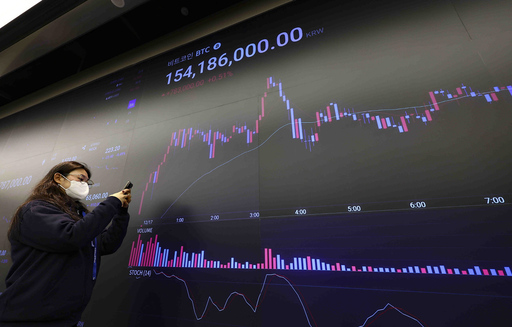
비트코인이 상반기 금리 인하 가능성에 전날 상승세를 이어갔다. 시가총액(시총) 10위권 주요 알트코인 중에서는 이더리움이 부진한 가운데 솔라나가 리플에 이어 반등했다. 17일 오전 9시10분 기준 비트코인은 국내 가상자산 거래소 빗썸에서 24시간 전보다 2.23% 오른 1억4760만원을 기록했다. 같은 시각 업비트에서는 0.51% 상승한 1억4741만원에 거래됐다. 가상자산 시황 중계 사이트 코인마켓캡에서는 24시간 전보다 0.14% 오른 10만316달러를 나타냈다. 반면에 시가총액(시총) 2위 이더리움은 전날 상승분을 반납했다. 같은 시각 이더리움은 빗썸에서 0.62% 오른 408만원을, 업비트에서는 2.55% 하락한 408만원을 기록했다. 코인마켓캡에서는 3.28% 떨어진 3313달러에 거래됐다. 변동성이 높은 시총 10위권 주요 알트코인 중에서는 리플과 솔라나가 동반 상승했다. 같은 시간 코인마켓캡 기준 리플은 8.71%, 솔라나는 3.28% 각각 올랐다. 트럼프 취임에 맞춰 현물 상장지수펀드(ETF) 출시 가능성이 있는 알트코인에 매수세가 유입된 영향으로 분석된다. 김치프리미엄은 1%대로 올라갔다. 김치프리미엄은 비트코인의 국내외 가격 차이를 뜻한다. 글로벌 가상자산 시황 비교 플랫폼 크라이프라이스에 따르면 이날 오전 9시30분 기준 비트코인 김치프리미엄은 1.30%다.

2025-01-17 10:40:08 최규춘 기자
기사사진
Jeong Cheol-dong, CEO of LG Display, Unveils AI-Optimized Panel for the Era… "We Will Achieve Results This Year"

Jeong Cheol-dong, CEO of LG Display, unveiled the 4th generation organic light-emitting diode (OLED) TV panel, which maximizes the performance of artificial intelligence (AI) TVs. Additionally, CEO Jeong presented "J·U·M·P" as the key management word for this year, aiming for a leap forward. As AI TVs, which are now capable of delivering ultra-high-definition resolutions of up to 8K, continue to be released, the panels are designed to provide both high brightness and energy efficiency. Through this, LG Display plans to actively target the premium TV market this year. ◆ "Achieving Turnaround This Year Through Advancement of OLED Business" On the 16th, during the '4th Generation Large OLED New Technology Briefing' held at LG Science Park in Magok, Seoul, CEO Jeong stated, "If we laid the foundation for a reversal last year, this year will be the year of leap forward, and we will give it our all." He said, "We will continuously create differentiated value in technology, cost, and production to establish the foundation for winning in the competition," and added, "We are currently in the process of selling our LCD plant in Guangzhou, and we will focus on the OLED business to enhance our competitiveness and lead the market." Earlier, LG Display announced through a sales or profit structure change disclosure that its consolidated annual revenue for last year was 26.6153 trillion won, with an operating loss of 5.606 billion won. Revenue increased by 25% compared to the previous year (21.3308 trillion won), and the operating loss was reduced by about 2 trillion won compared to the previous year's loss of 25.102 trillion won. Building on this performance improvement, LG Display aims to enhance its business structure centered on OLED technology this year, with the goal of generating significant results. He presented "JUMP" as the key management word for this year to signify a leap forward. JUMP stands for: ▲Just in time (for true change at the right time) ▲Unique value (differentiated value unique to LG Display) ▲Market leadership (leading the market with OLED) ▲Partnership (a partner that customers trust and can grow with). These meanings are derived from the first letters of the word "JUMP." However, CEO Jeong acknowledged that the business environment this year is expected to be challenging. ◆ "AI TV Optimization" Unveiling of 4th Generation OLED Panel On this day, LG Display unveiled the 4th generation OLED TV panel optimized for the AI TV era. LG Display's 4th generation OLED TV panel achieves a maximum brightness of 4,000 nits (with 1 nit equivalent to the brightness of a single candle). This is the highest level of brightness in the industry. The higher the brightness, the more vivid the visual expression, which is why brightness is considered a key element in image quality by industry experts. The most notable aspect of the newly unveiled 4th generation OLED TV panel is the implementation of the "Primary RGB Tandem" structure. This unique technology by LG Display involves independently stacking RGB (red, green, blue) elements to emit light, a proprietary technology exclusive to LG Display. Previously, the company used a three-layer structure for the light source, stacking two layers of blue elements with red, green, and yellow elements placed in one layer. However, this time, an additional layer was added to this technology, increasing the amount of light produced. The light source now consists of four layers: two blue element layers and independently stacked red and green element layers. This enhancement has allowed LG Display to achieve a color brightness of 2,100 nits, a 40% improvement compared to the previous generation's 1,500 nits, thereby enhancing color expression. In addition, energy efficiency was maximized to accommodate the increased power consumption of AI TVs. By improving the element structure and power supply system, the panel's temperature was successfully reduced, resulting in about a 20% improvement in energy efficiency (based on a 65-inch panel) compared to previous models. LG Display also applied a special film that blocks 99% of the light reflected from the panel surface and the light absorbed into the panel and then reflected. This technology enables perfect blacks without light reflections, even in a living room during the day, providing an experience similar to watching a movie in a darkened theater. LG Display's strategy this year is to solidify its position in the premium TV market by equipping its highest-end lineup with the 4th generation OLED TV panel. The company also plans to sequentially apply the Primary RGB Tandem technology used in the 4th generation OLED TV panels to its gaming OLED panels. ChatGPT를 사용하여 번역한 기사입니다.

2025-01-16 16:15:44 메트로신문 기자
기사사진
BYD Targets the Korean Market with the 'Value-for-Money' Small SUV Atto 3… Will It Surpass Kona Electric and EV3?

On the 16th, at the media event for the launch of the Chinese BYD passenger vehicle brand held at SangSang Platform in Jung-gu, Incheon, Liu Xueliang, General Manager of BYD's Sales Division for the Asia-Pacific region, introduced the brand. / Reporter Yang Seong-woon 4o mini China's top electric vehicle (EV) manufacturer, BYD, is targeting the Korean electric passenger vehicle market with its "value-for-money" models. This move is expected to increase the burden on the domestic automotive industry, which is already experiencing a downturn due to the EV "chasm" (temporary stagnation in demand) and "phobia" (fear) affecting the market. BYD Korea held its brand launch event on the 16th at the SangSang Platform in Jung-gu, Incheon, where it revealed its business strategy and new car launch plans. BYD Korea plans to sell three models this year, starting with the small electric SUV, the Atto 3, priced in the low 30 million won range, followed by the electric sedan 'SEAL' and the 'Sealion 7'. Liu Xueliang, the general manager responsible for BYD sales in the Asia-Pacific region, stated, "Since 2016, BYD has built a relationship with Korean consumers through electric buses, electric trucks, and electric forklifts over the past decade." He added, "Rather than focusing immediately on sales targets, we will prioritize expanding customer brand experiences." BYD Korea's strategy is to raise product awareness in the Korean market through customer experiences and communication, rather than aggressively increasing sales volume. To achieve this, BYD Korea plans to sequentially open 15 showrooms and 11 service centers in major regions and cities across the country, from Seoul to Jeju, in collaboration with six official dealers, including DT Networks, Samchunri EV, and Harmony Automobiles. Liu Xueliang, the general manager, stated, "We will focus on customer convenience and the healthy growth of our dealer partners as we expand our network strategy." He added, "Our goal is for BYD stores to become places that all influencers must visit at least once." The Atto 3, which BYD Korea is debuting in South Korea, is a model that has sold over 1 million units worldwide, including China, since its launch in 2022. It uses BYD's LFP-based Blade battery, providing a driving range of 321 km on a single charge under combined conditions. The vehicle is equipped with convenience features such as a panoramic sunroof and V2L (Vehicle-to-Load) functionality. The performance-oriented mid-size electric sedan BYD SEAL (from left), the small electric SUV BYD Atto 3, and the mid-size electric SUV BYD Sealion 7. 4o mini To cater to the preferences and convenience of Korean customers, the Atto 3 has been equipped with Korea-specific features and services, including Tmap Mobility services and the domestic music platform FLO. The price for the basic model starts at 31.5 million won, while the higher-end model, Atto 3 Plus, is priced at 33.3 million won. With government subsidies applied, the actual consumer purchase price of the Atto 3 is expected to be in the low 20 million won range. The domestic electric vehicles that will compete with the Atto 3 are likely to be Hyundai's Kona Electric and Kia's EV3. The Kona Electric starts at 41.42 million won for the standard model and 45.66 million won for the long-range version, while the Kia EV3 starts at 39.95 million won for the standard model and 44.15 million won for the long-range version. Even with government subsidies, both vehicles will remain in the 30 million won range, which puts them at a disadvantage in terms of price competitiveness against the Atto 3. Jo In-cheol, CEO of the Passenger Vehicle Division at BYD Korea, stated, "Depending on the region, the Atto 3 will likely be available for purchase in the low 20 million won range with the subsidy applied." He added, "The exact subsidy amount will be confirmed at the time of customer delivery." While BYD sold 4.27 million eco-friendly vehicles worldwide in 2022, maintaining its position as the global leader in eco-friendly vehicle sales for three consecutive years, overcoming the negative perception of Chinese-made electric vehicles among domestic consumers remains a challenge. CEO Jo In-cheol stated, "BYD's Blade battery is the best in the world in terms of safety," and added, "Regarding user information protection, we have made efforts to ensure that personal data does not leak to China by using servers located in South Korea." Meanwhile, to celebrate its brand launch, BYD Korea will offer a 500,000 won worth of electric vehicle charging credit to the first 1,000 customers who sign a contract. Additionally, from January 19 to February 2, BYD Korea will operate a two-week public exhibition at the SangSang Platform in Incheon. Visitors will have the opportunity to experience BYD electric vehicles and consult with dealers at dedicated consultation zones. ChatGPT를 사용하여 번역한 기사입니다.

2025-01-16 16:05:42 메트로신문 기자