메트로人 머니 산업 IT·과학 정치&정책 생활경제 사회 에듀&JOB 기획연재 오피니언 라이프 CEO와칭 플러스
글로벌 메트로신문
로그인
회원가입

    머니

  • 증권
  • 은행
  • 보험
  • 카드
  • 부동산
  • 경제일반

    산업

  • 재계
  • 자동차
  • 전기전자
  • 물류항공
  • 산업일반

    IT·과학

  • 인터넷
  • 게임
  • 방송통신
  • IT·과학일반

    사회

  • 지방행정
  • 국제
  • 사회일반

    플러스

  • 한줄뉴스
  • 포토
  • 영상
  • 운세/사주
국제
기사사진
"The Era of Speaking AI"…Voice AI Gaining Attention Again…Why?

As artificial intelligence (AI) technology evolves from text-based to multimodal environments, voice AI is gaining renewed attention. Major information technology (IT) companies such as Apple, Naver, and Kakao are enhancing their voice AI technology and expanding its applications beyond smartphones to include vehicles, home appliances, and media platforms. Multimodal refers to the integration of various AIs, including text, images, and voice, for a more comprehensive and interactive user experience. According to market research firm Mordor Intelligence on the 5th, the global voice AI market is expected to grow nearly threefold, from 20 trillion KRW in 2024 to 56 trillion KRW by 2029. Gartner analyzed, "As voice recognition and natural conversation capabilities are integrated, user experience has significantly improved, leading to a sharp increase in demand." ◆ 'Open-source vs Closed-system'... The Battle for Dominance in Voice AI Intensifies As the voice AI market rapidly grows, the competition for technological dominance is intensifying. Currently, the AI industry is divided into two paradigms. One is the open-source AI camp. Companies like Meta, Mozilla, Qtai, and Coqui are accelerating the spread of technology by releasing their AI voice technologies as open-source. Meta is strengthening its open-source technology through "MMS," which can recognize and generate over 4,000 languages. MMS can learn from data without the need for labeled training tags. The AI research institute "Qtai," often referred to as France's OpenAI, recently unveiled a voice AI called "Moshi." Moshi operates without an internet connection and generates speech in just 0.2 seconds. In contrast, big tech companies like OpenAI, Google, and Apple continue to maintain closed models, building their own independent ecosystems. Google launched its voice AI "Gemini 2.0" in December last year, which enhances multimodal capabilities. It is optimized for mobile environments, including smartphones, and offers 10 different voices, allowing users to choose the tone and style. OpenAI also released the "Voice Mode" for ChatGPT in December, which improved the use of 50 languages, including Korean and Japanese. It features voice speed control and speaker emotion recognition, enabling more natural conversations. ◆ Naver, Kakao, and Other Domestic Companies Also Busy Strengthening Features Apple also plans to integrate ChatGPT into its voice AI, Siri. Beta testing is underway, and some features are expected to be officially launched in 2025. This integration is expected to provide a more natural and sophisticated voice interface across HomePod, iPhone, and macOS. An industry insider commented, "While open-source models increase technological accessibility and spread quickly, closed models focus on delivering powerful performance and differentiated features." He added, "Each has its strengths, and the choice will depend on the preferences of companies and consumers." In particular, China's AI startup Deepseek is emerging as a key player expanding the open-source AI ecosystem. Earlier this year, Deepseek released the AI inference model "R1" along with its voice AI "Deepseek Voice." It can process both text and voice simultaneously and operate without an internet connection, making it highly applicable to various devices such as smartphones, in-car AI systems, and smart homes. Domestic companies are also moving quickly in the voice AI market. Naver is enhancing its capabilities by adding new features, such as an information search assistant, to its AI chatbot "Clova X." Kakao is developing the AI voice assistant "Kanana," which is scheduled for release in the first half of this year. Kanana will be available in two versions: the personal AI "Nana" and the group-chat AI "Kana." Nana will engage in one-on-one conversations and offer personalized responses by remembering group chat content, while Kana will specialize in group chats, providing features such as quiz creation, answer scoring, and summaries. Additionally, Kakao's "Kakao i" voice assistant is currently integrated with KakaoT, shopping, and banking services. ChatGPT를 사용하여 번역한 기사입니다.

2025-02-05 16:43:17 메트로신문 기자
기사사진
Industry anticipates fierce management disputes ahead of next month's shareholder meetings.

As the season for regular shareholder meetings of December closing companies approaches, the battle for control between competing companies is intensifying. In particular, disputes over corporate control among publicly listed companies are increasing, and the nature of these conflicts is becoming more intense. In addition to the ongoing management dispute between Korea Zinc and Youngpoong, which marks the end of a decades-long partnership, some companies are expected to engage in even fiercer shareholder battles over management control, with key business decisions likely to be contested. According to industry sources on the 5th, the most attention-grabbing corporate control battle during this year’s shareholder meeting season is between Korea Zinc and its competitors. The management struggle for the world’s top non-ferrous metals company has been full of twists, with Chairman Choi Yun-beom of Korea Zinc facing off against Youngpoong and MBK in an ongoing conflict. The movements of Daemyung Sonogroup and Yerimdang regarding the management rights of T’way Air are also noteworthy. Daemyung Sonogroup became the second-largest shareholder of T’way Air by purchasing shares held by JKL Partners since July last year. The gap in shareholding with the largest shareholder, Yerimdang, is only 3.3 percentage points. In 2025, Daemyung Sonogroup is expected to intensify its efforts to secure management control, increasing pressure significantly. As the management dispute between the siblings of Ourhome, the second-largest foodservice company in South Korea, intensifies, Kim Dong-sun, the third son of the Hanwha Group, and the vice president of Hanwha Galleria and Hanwha Hotels & Resorts, has entered the race to acquire management control. Hanwha, which sold its foodservice and food ingredients division, Foodist, to a private equity fund in 2020, is re-entering the foodservice market because it is considered a lucrative industry. The significant increase in management disputes is due to several factors, including the dilution of ownership stakes after the second-generation leadership, the growing presence of private equity funds, the rise in individual shareholders, and the increase in activist funds. In terms of actual shareholding, the Youngpoong-MBK alliance holds 40.97%, while Chairman Choi's side, including friendly shares, holds 34.35%, giving the Youngpoong-MBK alliance a higher stake. The fundamental issue is that the ownership stake of the controlling owner is weak, which means that whenever the "partnership spirit" is shaken, disputes can arise at any time. The situation is further complicated as private equity funds with significant capital have entered the management control dispute, shifting the dynamics. In South Korea, as ownership control has shifted from family-owned management to private equity funds, companies have faced confusion not only over their management philosophy but also over their identity. Private equity funds typically operate on a 5-year investment cycle, aiming to return profits and invested capital to their investors. As a result, they tend to focus on short-term profit expansion through workforce restructuring and asset sales. MBK promised in 2023 that it would "hold ING Life for over 10 years to stabilize employment" after acquiring the company. However, less than a year later, MBK carried out large-scale workforce reductions and sold the company after making a 2 trillion KRW profit in just five years. Similarly, when MBK acquired Homeplus in 2015, it had promised to invest 1 trillion KRW, but instead carried out store closures and workforce restructuring. Some companies have experienced the "curse of victory" after going through management disputes. In the competition for the acquisition of SM Entertainment in 2023, Kakao emerged victorious over HYBE. However, Kakao suffered significant damage during the process, including the arrest and indictment of founder Kim Beom-su. In the case of Korea & Company (Hankook Tire), which underwent a sibling management dispute last year with MBK's involvement, investors also faced losses. The stock price, which had typically ranged around 13,000 to 14,000 KRW, soared to around 22,000 KRW, but after a failed public tender offer, the price dropped back to around 15,000 KRW. It is reported that individual investors incurred substantial losses during this time. Hanjin Group also went through a management dispute, but the current management ultimately triumphed. However, during the dispute process, important decisions, such as future investments, were delayed, leading to growing pains for the company. ChatGPT를 사용하여 번역한 기사입니다.

2025-02-05 16:38:26 메트로신문 기자
기사사진
"1 million KRW each?" The automotive industry drastically lowers electric vehicle prices... A bold move as the EV chasm persists.

Global automakers are launching various promotions in line with the South Korean government's electric vehicle (EV) support policies. As the electric vehicle market faces a prolonged "EV chasm" (temporary demand stagnation) due to issues such as charging infrastructure and price burdens, automakers are focusing on aggressive pricing strategies to secure a dominant position in the eco-friendly vehicle market. According to the automotive industry on February 5, Hyundai and Kia are running promotions offering additional discounts on their EV models. Hyundai’s promotion offers additional discounts ranging from 3 million to 5 million KRW on nine electric vehicle models, combining basic vehicle price reductions with monthly inventory discounts. Genesis offers a 3 million KRW discount on the GV60 and a 5% price reduction on the G80 electric model. In Seoul, applying these maximum purchase benefits, the following models see significant price reductions: ▲The Ioniq 5 2WD Long Range 19-inch Built-in Cam (non-applicable model) drops from 54.1 million KRW to 44.38 million KRW. ▲The Ioniq 6 2WD Standard 18-inch model drops from 46.95 million KRW to 37.81 million KRW. ▲The Kona Electric 2WD Standard 17-inch model drops from 41.42 million KRW to 31.52 million KRW. Kia is also offering manufacturer discounts through its "EV Festa" campaign: ▲2 million KRW off the Niro EV ▲1.5 million KRW off the EV6 ▲2.5 million KRW off the EV9 ▲3.5 million KRW off the Bongo EV Additionally, there are extra discounts for last year’s production models, with benefits ranging from 3.5 million to 5 million KRW depending on the vehicle. In Seoul, the prices for certain models drop as follows: ▲The EV6 2WD 19-inch Long Range trim goes from 50.6 million KRW to 40.58 million KRW ▲The EV9 2WD 19-inch Air trim drops from 73.37 million KRW to 65.6 million KRW ▲The Niro EV Air trim drops from 48.55 million KRW to 38.43 million KRW ▲The Bongo EV 1-ton 2WD Super Long King Cab Smart Selection trim drops from 43.15 million KRW to 24.5 million KRW KG Mobility (KGM) is also offering price discounts on electric vehicles. KGM is providing a 750,000 KRW discount on the electric SUV, the Torres EVX, bringing its actual purchase price down to around 39 million KRW. Additionally, for the taxi-exclusive models of the Torres EVX and the Korando EV, discounts of 1.5 million KRW and 1 million KRW, respectively, are being offered. The imported car industry is also focusing on expanding its market share in South Korea’s electric vehicle market. Volvo Car Korea launched its compact electric SUV, the EX30, on February 3, priced at just over 40 million KRW (after applying national and local government electric vehicle subsidies), which is one of the lowest prices globally. The company aims to attract initial sales by leveraging the new car effect and a maximum discount of 3.33 million KRW to enhance its price competitiveness. Stellantis Korea is taking proactive steps this month to reduce customers' burden by providing early electric vehicle subsidies, aiming to eliminate uncertainty surrounding EV purchases. Until the 28th, customers purchasing the Jeep Avenger or Peugeot e-2008 will receive both the expected national subsidy of 2.12 million KRW and 2.09 million KRW, respectively, along with additional local government subsidies based on their residence. Furthermore, by combining each brand's electric vehicle promotions with benefits such as free installation of a black box and Hi-Pass devices, the Jeep Avenger offers a minimum of 5.39 million KRW in benefits, and the Peugeot e-2008 offers a minimum of 7.86 million KRW. For customers in Gwangju, the city with the largest subsidy among metropolitan cities, the expected benefits for the Peugeot e-2008 and Jeep Avenger Altitude are 10.26 million KRW and 7.79 million KRW, respectively. BYD, a Chinese electric vehicle company that entered the domestic market earlier this year, has priced its compact electric SUV, the Atto 3, lower than in the Chinese market. The price of the Atto 3 ranges from 31.5 million KRW to 33.3 million KRW, and with the application of electric vehicle purchase subsidies, it is expected that the price could drop to the 20 million KRW range. If additional discounts are implemented in line with the South Korean government's policies, consumers' financial burdens would be significantly reduced. An automotive industry insider commented, "Automakers are expanding electric vehicle subsidy support in line with government policies," and expressed hope that proactive subsidy support would provide consumers with a wider range of choices. ChatGPT를 사용하여 번역한 기사입니다.

2025-02-05 16:32:26 메트로신문 기자
기사사진
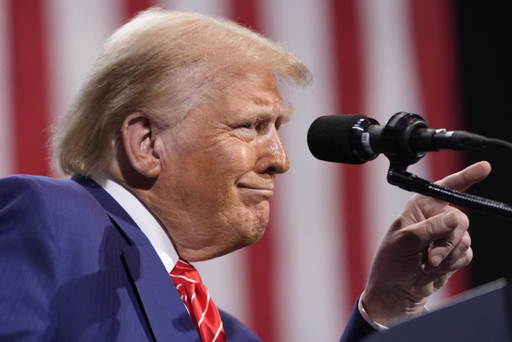
트럼프, 대중국 관세 발효 후 시진핑과 통화 무산…"서두르지 않겠다"

도널드 트럼프 미국 대통령과 시진핑 중국 국가주석의 통화가 무산됐다는 외신 보도가 나왔다. 미국이 중국에 10% 추가 관세를 부과하는 행정명령이 발효되자 양국 정상 간 어떤 대화가 오갈지 관심이 주목됐다. 4일(현지시간) AFP, CNBC 등에 따르면 트럼프 대통령은 이날 오벌오피스에서 시 주석과의 통화와 관련 기자들에게 "적절한 시기에 할 것이고, 나는 서두르지 않는다"고 말했다. 앞서 월스트리트저널(WSJ)은 이날 미국 당국자를 인용, "양국 모두가 관세를 부과하기로 한 후 트럼프 대통령과 시 주석은 오늘 통화하지 않을 것"이라고 보도했다. 다만 5일께 통화가 이뤄질 수 있다는 가능성도 함께 전했다. 트럼프 대통령은 지난 1일 멕시코와 캐나다에 25% 관세를, 중국에 10% 추가 관세를 부과하는 행정명령에 서명했다. 이후, 멕시코, 캐나다와는 막판 협상 후 관세 시행을 유예했지만, 대중국 관세는 4일 예정대로 발효됐다. 트럼프 대통령은 이후 시 주석과 24시간 이내에 통화하겠다고 했지만 무산됐다. 중국도 이날 미국의 관세 부과에 10~15%의 보복 관세로 맞대응하겠다고 발표했다. 일각에서는 조만간 트럼프 대통령과 시 주석이 통화해 관세 유예 등 협상에 나설 것이란 관측도 나온다.

2025-02-05 09:44:23 원승일 기자
기사사진
OpenAI accelerates South Korea alliances… Relay meetings with domestic corporate leaders including Lee Jae-yong.

Sam Altman, CEO of OpenAI, who is visiting South Korea, held a series of meetings on the 4th with the CEOs of major IT companies such as Samsung Electronics, SK hynix, and Kakao. The active pursuit of alliances with domestic companies by OpenAI is seen as a response to the Chinese AI startup DeepSeek. Recently, DeepSeek has suggested that high-performance models can be implemented at a low cost, shaking up the AI ecosystem. According to business sources on the 4th, Sam Altman began a "trilateral meeting" in the afternoon at Samsung Electronics' Seocho headquarters in Gangnam, Seoul, with Lee Jae-yong, Chairman of Samsung Electronics, and Masayoshi Son, Chairman of SoftBank Group. It is reported that the discussions focused on the implementation of the large-scale artificial intelligence (AI) infrastructure project, 'Stargate.' Chairman Son arrived in the afternoon at 2:40 PM, after entering the country earlier in the morning. Prior to Son's arrival, CEO Altman was reportedly already at the Seocho headquarters. Also present at the meeting were executives responsible for semiconductors, including Jeon Young-hyun, Vice Chairman and Head of Samsung Electronics' Device Solutions (DS) division. Chairman Son, speaking with the press, stated that the "trilateral meeting with Samsung Electronics and OpenAI" would focus on updates regarding the Stargate project and potential collaborations with the Samsung Group. Stargate is a large-scale artificial intelligence (AI) infrastructure expansion project in the U.S., involving an investment of $500 billion (approximately 731 trillion won), with partners such as NVIDIA and Microsoft. Earlier, it was reported that CEO Altman and Chairman Son had collaborated on establishing a joint venture, 'Stargate,' for AI infrastructure development. It is expected that Samsung Electronics will also participate in this project. This trilateral meeting is particularly significant as it marks Lee Jae-yong's first public engagement since his acquittal in the appeals trial, and discussions likely covered not only large-scale investments but also potential future growth drivers to help Samsung Electronics overcome its recent performance slump. There are forecasts that cooperation between OpenAI and ARM, a subsidiary of SoftBank, in AI semiconductor development will gain momentum. Earlier in the day, CEO Altman also met with Chey Tae-won, Chairman of SK Group, to discuss potential collaboration between the two companies and attended Kakao's Media Day. The meeting between CEO Altman and Chairman Chey took place around 9:30 AM at the Plaza Hotel in Jung-gu, Seoul. Among the SK Group executives in attendance were Kwak Noh-jeong, President of SK hynix, and Yoo Young-sang, President of SK Telecom. It is observed that CEO Altman and Chairman Chey discussed collaborations in the semiconductor field, including SK hynix's HBM (high-bandwidth memory), as well as AI assistant services. This meeting marks the third encounter between the two companies, following their previous meetings in January and June of last year. In June, they met at OpenAI's headquarters in San Francisco. After the meeting with Chairman Chey, when asked by the press, "How was today's meeting?" CEO Altman responded with "Wonderful" and left, while Chairman Chey did not make any special remarks. Following his meeting with Chairman Chey, CEO Altman appeared at Kakao's Media Day. During this event, OpenAI announced a strategic partnership with Kakao and outlined plans for collaboration in the AI business. CEO Altman's appearance at the Media Day and the strategic partnership between Kakao and OpenAI were kept highly confidential until the event. Kakao is the first company in South Korea to form a strategic partnership with OpenAI. The focus of the collaboration between Kakao and OpenAI will be on making AI services more accessible to a wider range of users, with plans to pursue ▲technical cooperation for AI service advancement and ▲joint product development. Jung Ji-young, CEO of Kakao, explained the background of the partnership during the keynote speech, stating, "Based on the capabilities we have accumulated over a long period of time, serving the daily lives of many people, Kakao's role in today's era is to present 'personalized AI that best understands users.'" She added, "By collaborating with OpenAI, which has global technological competitiveness, we will lead the popularization of AI services and provide innovative customer experiences." Altman, CEO of OpenAI, expressed his long-term appreciation for Kakao, stating, "I like Kakao from a long-term perspective and share their AI vision." He also mentioned, "I am particularly interested in the integration of AI and messaging. There is much to explore in this area, and messaging has a wide range of applications, not just for work-related matters." Meanwhile, Altman's expansive moves appear to be in response to the rapid pursuit of DeepSeek, a Chinese AI startup. Recently, DeepSeek adopted optimization techniques to maximize efficiency, suggesting that implementing high-performance models might not necessarily require overwhelming computing resources, which shocked the industry. There is growing analysis that DeepSeek's open-source model could broaden market competition, providing opportunities for latecomers, including those in South Korea. Observers speculate that OpenAI is pursuing an aggressive strategy to stay ahead of DeepSeek through extensive collaborations with domestic companies such as Samsung, SK, and Kakao. ChatGPT를 사용하여 번역한 기사입니다.

2025-02-04 16:41:25 메트로신문 기자
기사사진
LG Electronics unveils innovative display technologies at ISE 2025, strengthening its B2B business.

LG Electronics is showcasing innovative display solutions that enhance the value of spaces at ISE 2025, a commercial display exhibition held in Barcelona, Spain, starting on the 4th (local time). A model is scanning the QR code of the 'Kinetic LED,' which uses generative AI technology to transform photos into pop art. / LG Electronics 4o mini LG Electronics is participating in ISE 2025, the commercial display exhibition held in Barcelona, Spain, from February 4 to 7, showcasing industry-specific customized solutions based on commercial displays. Under the theme "Growing Together with Customers through Customized Solutions," LG Electronics has set up its exhibition hall, displaying various products tailored to key environments such as stores, offices, schools, transportation, and hotels. At the entrance of the exhibition hall, a massive 'Kinetic LED' display was installed, enhanced with AI technology to add an element of fun. The display, composed of 88 LED signage panels, measures 7.18 meters in width and 4.09 meters in height. It features a cube-shaped module that combines LED and mirror elements, with each module rotating 360 degrees left and right, creating a dynamic and vibrant movement. Additionally, a participatory advertising solution was implemented, where visitors can scan a QR code with their smartphones, and the generative AI will convert their input into pop art, which is then displayed on the screen. n addition, LG Electronics will demonstrate various technologies in collaboration with domestic and international partner companies, including: ▲Triplett, an AI-based retail store traffic and behavior data analysis company ▲Cocomo 24/7, a company specializing in school access management and emergency response solutions ▲Moses, Megapixel, and Brompton, companies specializing in virtual production equipment and solutions ▲Logitech, Cisco, and Crestron, companies offering enterprise video conferencing solutions ▲BrightSign, a company providing content management solutions for digital signage. At this exhibition, visitors will be able to see the upgraded version of the highly advanced ultra-high-definition Micro LED 'LG Magnit.' The product has been enhanced based on feedback from B2B customers, improving ease of use and installation, content compatibility, and energy efficiency. Previously, the adjustment of the gap between LED modules was only possible from the back, but now it can be done from the front as well. Additionally, the LED controller functionality has been strengthened, and standby power consumption has been drastically reduced by up to 98% when the screen is turned off. This year, LG Electronics will showcase high-brightness signage featuring the 'Anti-Discoloration' technology, which minimizes the yellowing phenomenon that occurs when the screen is exposed to sunlight for extended periods. This marks the first public display since receiving industry-first verification for discoloration resistance from the global testing and certification agency 'UL Solutions' last year. Additionally, LG will exhibit a lineup of signage optimized for preventing discoloration, designed for various outdoor environments, such as drive-thru stores, outdoor swimming pools, and bus stops. In the retail zone, which is designed to simulate a retail store, LG Electronics will showcase a comprehensive commercial display solution for retail stores, including signage that has obtained fire safety certification to ensure customer safety, and the second-generation kiosk that can be installed in various forms to meet customer needs. The three signage models displayed in the retail zone (models: US5P, UV5N, UP5Q) have been certified by global certification bodies SGS and TUV Rheinland to meet the fire safety standards of the UK and EU, including fire propagation and resistance. Recently, LG Electronics has obtained the same certification for a total of 22 models, including these three. In addition, visitors to LG Electronics' exhibition booth can experience various B2B products, such as the LG electronic whiteboard, which provides high-quality content and convenience features for educational and industrial settings, as well as LG's commercial display operation and management solution integrated platform, 'LG Business Cloud.' Park Hyung-se, President of LG Electronics' MS Business Division, stated, "Through innovative products and solutions that make various B2B customer spaces more valuable, we will grow together with our customers and solidify our leadership in the B2B market." ChatGPT를 사용하여 번역한 기사입니다.
2025-02-04 15:47:07 메트로신문 기자
기사사진
Samsung Electronics unveils four types of ultra-low-power display 'Color e-paper' at ISE 2025.

Samsung Electronics unveiled a range of new products that will lead the commercial display industry at the largest display exhibition in Europe, 'ISE (Integrated Systems Europe) 2025,' held in Barcelona, Spain. Samsung Electronics announced on the 4th that it will participate in ISE 2025, which will take place from the 4th to the 7th (local time) in Barcelona, Spain. Samsung Electronics has set up an exhibition space of 1,728 square meters (about 522 pyeong) at the Fira Barcelona exhibition center, showcasing a range of products including: ▲Four types of ultra-low-power displays, 'Samsung Color e-paper' ▲The B2B (business-to-business) integrated connectivity platform, SmartThings Pro, enhanced with AI features ▲New AI electronic whiteboard products and ultra-large signage displays At the entrance of the exhibition hall, a massive media facade featuring Samsung's Micro LED technology is displayed with the 462-inch 'The Wall.' The 'Samsung Color e-paper' is characterized by significantly reduced power consumption for digital content advertising. It utilizes ink technology for digital paper, with a power consumption of 0.00 watts (W) when maintaining content. Even when the screen changes, it consumes much less power compared to traditional digital signage, helping to reduce energy costs. Additionally, the design is ultra-thin and ultra-lightweight, making it easy to move and install in various commercial spaces. The Samsung Color e-paper features a detachable 5000mAh lithium-ion battery, two USB-C ports for charging and data transfer, and 8GB of flash memory. It supports Wi-Fi and Bluetooth connectivity. With the dedicated mobile app, users can easily create content and manage broadcast schedules and playlists conveniently. The Samsung Color e-paper is available in various options to suit different purposes and installation locations, including: ▲13-inch (1600x1200) ▲25-inch (3200x1800) ▲32-inch QHD (2560x1440) Additionally, there is an outdoor model with a 75-inch 5K (5120x2880) resolution. Samsung Electronics is enhancing the usability and management efficiency of its signage by further strengthening the AI and automatic control features of SmartThings Pro. The B2B integrated connectivity platform, 'SmartThings Pro,' analyzes floor plans registered by users through its 'Interactive View' feature, providing 3D floor plans with a sense of depth. Users can easily and conveniently manage devices by mapping devices connected to SmartThings Pro on the 3D floor plan, making it easier to perceive space. Additionally, Samsung Smart Signage now includes the CryptoCore cryptographic module, which securely encrypts IoT connection authentication information, enhancing the safety of device connections. Samsung’s CryptoCore, developed in-house, has received the international cryptographic module certification, FIPS 140-3, validating its security. A Samsung Electronics model is showcasing the 115-inch 4K ultra-large signage, suitable for high-end stores and building lobbies, at ISE 2025, the largest display exhibition in Europe, held in Barcelona, Spain, from February 4 to February 7 (local time). / Samsung Electronics 4o mini Additionally, Samsung Electronics will showcase 'ultra-large signage' displays. Following the unveiling of the 105-inch 5K smart signage optimized for video conferencing solutions at last year's ISE, Samsung is presenting a 115-inch 4K smart signage this year. The display offers a seamless viewing experience with no visible seams and supports multi-view, allowing up to four screen divisions. Furthermore, the 2025 model of the electronic whiteboard, which was first revealed at the largest educational technology exhibition in Europe, 'Bett 2025' in January, will also be exhibited at ISE. The electronic whiteboard equipped with the 'Android 15' operating system comes with the Samsung AI Assistant solution, offering features like 'Circle to Search,' which allows users to search for images or translate text within the screen, and 'AI Summary,' which summarizes lecture or meeting content. Jeong Hoon, Vice President of Samsung Electronics' Visual Display Business, stated, "Commercial displays must simultaneously meet the market's need for energy reduction and device management efficiency, as well as the public's demand for immersive experiences. We will lead the way in pioneering new markets with new products such as 'Samsung Color e-paper.'" ChatGPT를 사용하여 번역한 기사입니다.

2025-02-04 15:42:20 메트로신문 기자